94-year-old survivor revisits Berlin site of 1938 pogrom 88 years later
George Shefi returned to the Schoeneberg district to share his testimony with German police officers ahead of the Kristallnacht anniversary.
By Carlos Rousseau ·
George Shefi was six years old on November 9, 1938, when his mother kept him indoors for three days. By the time he was allowed back outside, the Jewish school in his Berlin synagogue had burned, the hat shop across the street had been looted, and the windows of the stationery store next door were shattered.
Now 94 and a resident of Jerusalem, Shefi returned to his childhood home in the Schoeneberg district to mark the 88th anniversary of Kristallnacht. The pogrom, known as the Night of Broken Glass, saw Nazis and ordinary Germans terrorize Jewish communities across Germany and Austria. According to Israel’s Yad Vashem memorial, at least 91 people died, 7,500 Jewish businesses were vandalized, and more than 1,400 synagogues were targeted by arson.
Shefi described the chaos to police officers visiting Berlin to deepen their understanding of the Holocaust. He recalled the shop owner trying to clean up while a crowd of 30 to 50 people jeered and yelled. He now speaks to school groups and officers, noting that he stopped blaming modern Germans about a decade ago. He argues that future generations are responsible for preventing history from repeating itself if they study the past.
The event coincides with a broader push to educate law enforcement on their role in Jewish life. Jochen Kopelke, chairman of the German Police Union, stated that many officers lack knowledge of contemporary Jewish culture. He emphasized that police in the Nazi era actively participated in the Shoah, guarding concentration camps and deporting people. Kopelke said officers must understand this history to effectively protect communities today.
Phyllis Greenberg Heideman, president of the International March of the Living, described combating antisemitism as the most important act available to individuals. She noted that the group organizes annual remembrance events at Auschwitz and supports efforts against global hatred.
For Shefi, the return to Berlin marks a personal reckoning with the end of his sheltered childhood. In July 1939, his mother Marie Spiegelglas placed him on a Kindertransport to England with 300 other children. He never saw her again. She was deported to Auschwitz and murdered in 1943. Shefi survived the bombing of London, later moved to the United States, and finally settled in Jerusalem, where he ran a tool shop and served as a volunteer police officer.
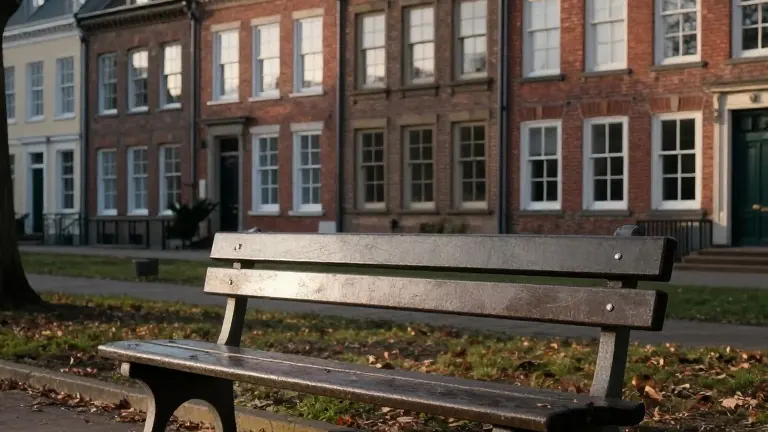
Shefi stated that his generation is the last one that can provide direct testimony without facing skepticism. He sits on a park bench in Schoeneberg where he was once barred from sitting, keeping the memory of persecution alive to ensure others understand the cost of ignoring history.