France cuts education spending gap with new renovation fund
The government pledged 4 billion euros for school upgrades and 15,000 new university spots as protests shrank after the holiday break.
By Rafael Bailey ·
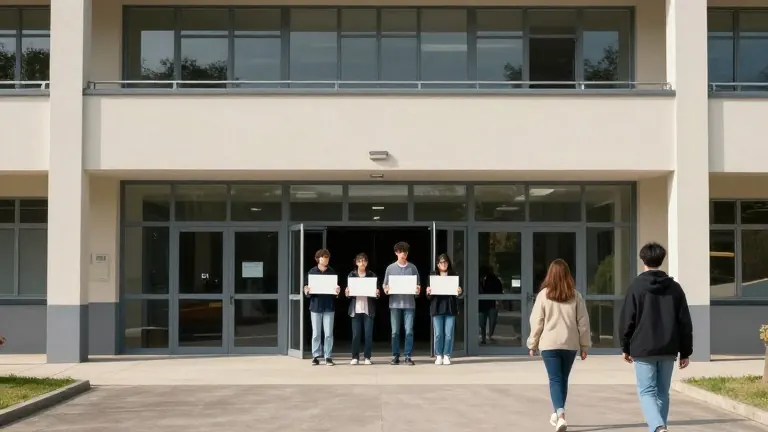
French high school students returned from their two-week holiday break on Monday to find that the large-scale blockades of the previous month had largely dissipated. The Ministry of Education reported that only 41 high schools across the nation were blockaded on that day. This figure represents approximately one percent of the country's total 3,700 high schools, according to data from Franceinfo.
In the weeks preceding the break, hundreds of schools had been shut down by students. On Monday, attempts to block access occurred in major cities including Paris, Marseille, and Rennes. Education Minister Edouard Geffray described the current level of disruption as marginal. He noted that while protests were permitted, preventing students from entering their schools remained illegal. Geffray stated that the academic year was at risk for several hundred thousand pupils, a situation the government could not allow to continue.
The unrest began in the Paris suburbs in September before spreading nationwide. Last month, the scope of the anger widened to include cost-of-living concerns, drawing in trade unionists and activists. This expansion tested President Emmanuel Macron’s minority government, with some demonstrations turning into violent clashes with police. Riots and looting of shops were reported in several cities during that period.
Students have demanded specific changes to the system. Their primary requests include the renovation of aging school infrastructure, an increase in the number of teachers, and more places in universities. They also seek to end a university admissions system they view as socially unfair.
In response, the government announced a package of measures last week. It pledged 4 billion euros, or 4.47 billion dollars, to renovate schools. The plan includes 15,000 new places in higher education and a gradual replacement of the Parcoursup admissions platform by 2028. The government also cancelled planned job cuts in the education sector, promised 500 additional posts, and set a cap of 28 pupils per class for the first year of high school.
Student leaders have rejected the government's offers as insufficient. Pierre Sourzat, president of the student organization Les Lyceens!, called for a continued blockade on Sunday. The Union Syndicale Lyceenne and the Student Union have scheduled further blockades for Tuesday and Thursday. The UNEF student union declared Tuesday a black day for universities, with plans for blockades across the country.
The government's new commitments aim to address the core demands of the protest movement. The 4 billion euro fund for renovations and the 15,000 new higher education places represent the largest financial and structural concessions made since the protests began. Student groups will now decide whether these measures halt the movement or if the planned blockades will expand again.