ILI Group faces 15,000 objections over Auchtertool data centre
Residents of a 600-person village in Fife are challenging a 600MW facility that would sit atop the ruins of a medieval castle.
By Rafael Bailey ·
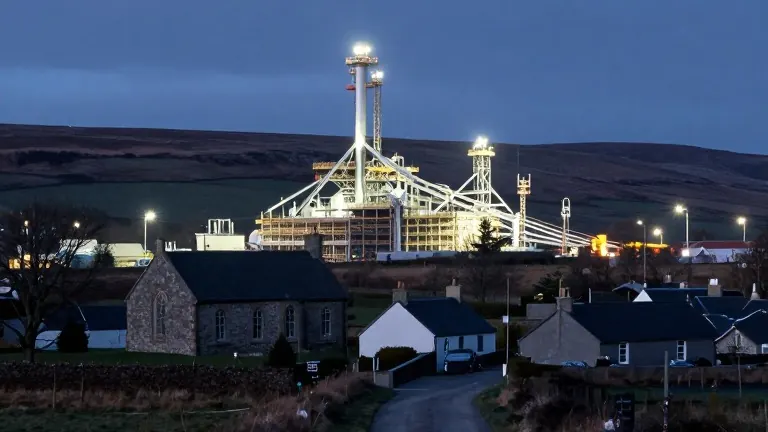
Auchtertool is a quiet hamlet in rural Fife, located 40km north of Edinburgh. It has a population of 600 and lacks shops or restaurants. The community pub opens once a month, and the local hotel now serves as a care home. Jonathan Leitch, a local resident, described the village as consisting mainly of a care home, a primary school, a village hall, and six bus stops. It also features a water buffalo farm.
Developers ILI Group propose to build a 600MW data centre on the village edge. The project, named Cato, is valued at 5 billion pounds. It would be one of the largest in Europe and comparable to major US facilities. The site is slated to be larger than the village itself, with buildings up to 35m high. The facility would consume as much power as the city of Edinburgh, twice over.
The plan has drawn sharp criticism. Andrea Cail, chair of the local community council, stated that residents feel frightened by the overwhelming scale. The proposed site covers the ruins of Hallyards Castle, which is approximately 1,000 years old. Opponents compare the size of the project to stacking double-decker buses eight or nine high in the fields.
ILI first presented its ideas to the community in the spring of 2025. They held a consultation in the village hall and met with the community council. Initial details were sparse, and the company insisted its project was different from others. Local opposition gained momentum earlier this year as campaign groups across Scotland began coordinating efforts. The Scottish government has more than 25 hyperscale data centre projects in various planning stages.
John Underhill, a professor at the University of Aberdeen, noted that Scotland has 14GW of renewable energy capacity but only 4GW is used. He explained that the government initially viewed data centres as a way to utilize this spare electricity. However, he said the government is now finding the process more complex than expected due to community resistance.
Relations between ILI and locals deteriorated as planning details emerged. The proposed building height increased from initial estimates. Residents expressed concerns about the use of hundreds of backup generators and heavy water usage. Leitch noted that the village has long suffered from water shortages, with parishioners using portable toilets at the church because there is no water supply.
ILI submitted its planning application to Fife Council earlier this year. Residents believed they would see more details before the formal submission. The company stated it was aware of coordinated community action and acknowledged the importance of local concerns. ILI said its responsibility is to listen and respond constructively.
The debate prompted the Scottish government to order automatic environmental assessments for all data centres over 50MW. This created a temporary pause in new development while guidelines are written. Campaigners are calling for a full moratorium, though the government is cautious of potential legal challenges from developers.
Local opposition has grown intense. Hundreds attended a public meeting in the village hall, many traveling from elsewhere in Scotland. Cail described the room as incensed. Campaigners have held protests at the Scottish parliament and outside the council. About 15,000 objections were emailed to the council, overwhelming officials.
Media attention grew after an ILI executive suggested on radio that increased heat from the data centre could help people grow tomatoes. Locals created badges featuring a tomato with the text "Say no to Cato Data Centre." The project has also strengthened community ties, according to Leitch and Cail. Leitch said the village will continue to disrupt the process, describing data centres as a speculative gold rush. ILI says it intends to press ahead with its plans.
New planning guidelines are due this year. The effective pause in development continues while these rules are finalized. The outcome of the environmental assessment for Cato will determine the next steps for the project in Auchtertool.
More Business · Consumer Watch · Report a business · Got a Story?