Israeli Politics: Eisenkot Gets 28 Days to Build Coalition
President Herzog tasks Netanyahu's rival with forming a government after the October 27 election left the Knesset without a clear majority.
By Carlos Rousseau ·
Gadi Eisenkot has 28 days to form a new Israeli government after President Isaac Herzog selected him to lead the effort. The clock began running immediately following the parliamentary elections held on October 27, which ended the majority hold of Prime Minister Benjamin Netanyahu's coalition. The president may extend Eisenkot's deadline by an additional 14 days if a government is not formed in the initial window.
No single party secured enough seats in the Knesset to rule alone. Most members of the Knesset indicated a preference for Eisenkot, a decision that aligns with the authority of the Israeli president to choose the candidate most likely to build a governing body. Eisenkot, the former defense minister and Netanyahu's main political rival, now must navigate a fragmented legislature to secure a majority.
Eisenkot has established four principles for any party joining his coalition. These include labeling Hamas as a terrorist organization. While members of Arab parties expressed support for Eisenkot, they face internal hurdles regarding these conditions. The leader of the Ra'am party stated his group would not agree to label Hamas a terrorist organization, creating a potential rift with Eisenkot's requirements.
A second challenge involves the right-wing Yisrael Beiteinu party. The party's leader endorsed Eisenkot but stated his group would not serve in a government that includes Arab parties. Eisenkot must therefore find a balance that satisfies his four principles while keeping enough right-wing members on board to reach a majority. This balancing act appears difficult given the stated positions of key coalition partners.
Eisenkot's political path has been shaped by the war that began after the October 7, 2023, Hamas attacks. He joined Netanyahu's emergency war cabinet but later resigned over disagreements regarding the war's direction. His personal losses in the conflict, including his son and nephew who died in Gaza, inform his current stance. He remains opposed to the creation of a Palestinian state and maintains a hawkish position on Iran and Hezbollah in Lebanon.
International dynamics also play a role in the political environment. President Donald Trump endorsed Netanyahu ahead of the Israeli vote. However, the two leaders have clashed publicly, with Trump calling Netanyahu "f, king crazy" in June regarding operations in Lebanon. On Election Day, Trump said the United States would cut off $4 billion in aid to Israel, a move Netanyahu agreed to accept.
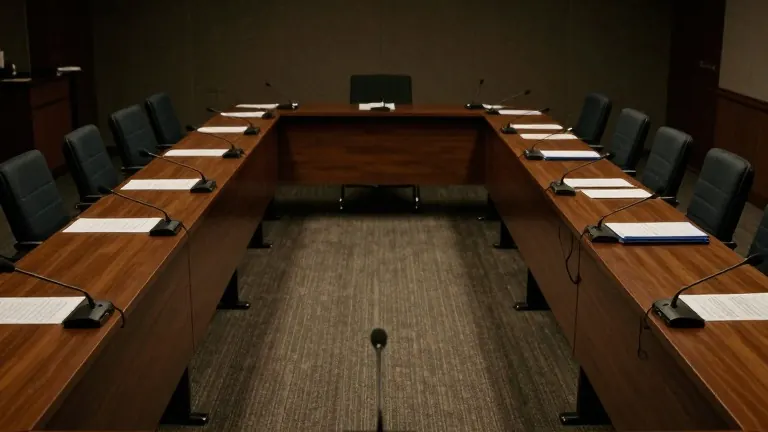
The next step is for Eisenkot to negotiate with party leaders within the 28-day window. He must determine which parties can meet his four principles and which can provide the necessary seats. The Knesset will observe these negotiations as the deadline approaches.