
Louisiana Health Data: Acanthamoeba Cases Surge
State officials report ten confirmed infections since 2024, with five resulting in permanent vision loss and one death.
By Rafael Bailey ·
The Louisiana Department of Health has confirmed ten cases of Acanthamoeba infection since 2024.
Eight of those cases involved the eyes. Seven patients in that group wore contact lenses, and five suffered permanent vision loss. The remaining two cases involved a sinus infection and a brain infection. The patient with the brain infection died. State epidemiologist Theresa Sokol noted that both of these patients had underlying medical conditions.
Sokol described Acanthamoeba as a single-celled organism found in soil, dust, and water. She stated that the amoeba lives in fresh and salt water, swimming pools, drinking water systems, and HVAC units. While most people exposed to the organism do not get sick, it can cause severe infections in the sinuses, brain, skin, and eyes.
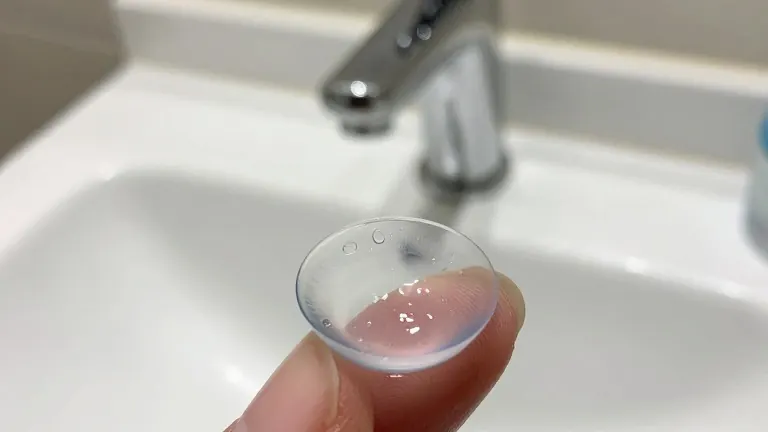
Contact lens hygiene is the primary focus of state guidance. Sokol explained that lenses can trap water and allow the amoeba to latch onto the cornea. She advised wearers to wash and dry their hands thoroughly before handling lenses. Users should remove lenses before showering, swimming, or using hot tubs. She emphasized that residual water on hands can transfer the organism into the lens.
Symptoms of eye infections include pain, redness, blurred vision, and sensitivity to light. Sokol said these signs can mimic other common eye conditions. She recommended that patients seek care immediately, as early treatment improves outcomes. Diagnosis can be difficult, particularly for brain infections, which may require a biopsy.
The department is not releasing specific locations of the patients to protect their privacy. Sokol noted that the amoeba can survive in tap water across the state because it requires very high levels of chlorination to kill. She clarified that swallowing tap water is not a risk, and showering with lenses removed is considered safe.
For nasal irrigation, Sokol warned against using tap water. She recommended using sterile, distilled, or boiled and cooled water. People with weakened immune systems, such as those with HIV, cancer, or diabetes, are at higher risk for severe sinus and brain infections from these sources.