Ohio Lawmakers Eye State-Run Pharmacy to Cut Drug Costs
A Thursday forum in Columbus will explore the Ohio Made Prescription Drug Act, a bill introduced in May that proposes a non-profit model for insulin and other essential medications.
By Rafael Bailey ·
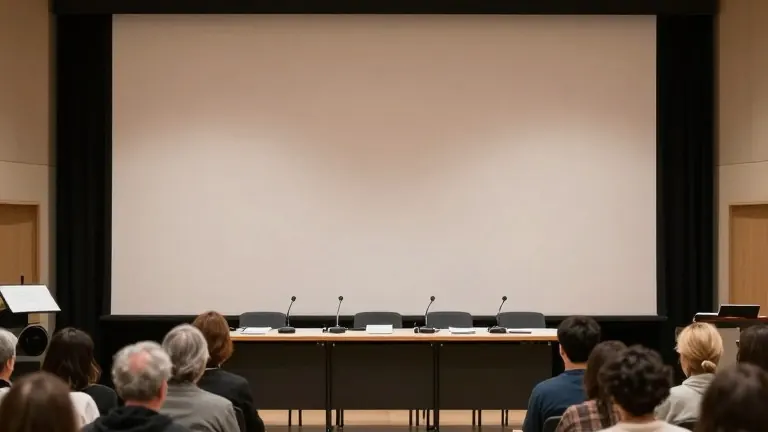
Insulin prices in the United States remain a primary financial burden for millions of patients, a cost structure that Ohio academics and legislators are now targeting for reform. A public forum scheduled for Thursday at the WOSU Community Studio will focus on the economic mechanics of pharmaceutical pricing and the legislative steps Ohio is taking to alter them. The event aims to demystify the supply chain factors that allow list prices to remain high despite the relatively low cost of production for many chronic disease treatments.
The push for a state-controlled pharmacy model gained momentum in 2023 when Erin Moore, a professor at Ohio State, launched the Diabetes Justice Lab. Moore’s research identified affordability as the central barrier for people with Type 1 diabetes. She subsequently collaborated with T1 International, a patient advocacy group, where she met Allyson Hughes, an assistant professor at Ohio University’s Heritage College of Osteopathic Medicine. Hughes, who has lived with Type 1 diabetes for 31 years, co-organizes the upcoming event with Moore. The panel structure mirrors similar discussions held at Yale and New York University Law School in recent years.
Moore argues that the current private pharmaceutical system relies on complexity to discourage consumer scrutiny. "Part of the reason why it’s so important to educate people about why list prices are high and get into the weeds of why this has happened is because actually making it confusing is part of how it happens, right," Moore said. She points to three specific market failures: the monopolization of insulin production, the fees taken by middlemen agencies between manufacturers and pharmacies, and shadow pricing practices that allow all brands to raise costs simultaneously.
The proposed solution involves state-controlled procurement and production. Under this model, the state would purchase drugs from a non-profit entity, aiming to eliminate profit-driven inflation and reduce the risk of contaminants. This approach is not merely theoretical; it has legislative support in the statehouse. Moore noted that the Ohio Made Prescription Drug Act was introduced in May of this year. The bill seeks to establish the framework for public production, a concept that state legislators are actively discussing as a potential path to lower healthcare costs for residents.
The Thursday event will feature a panel of Ohio-based experts to examine the supply chain and policy implications. John Gray, an economist from the Fisher College of Business, will analyze global pharmacy logistics. The panel will also include the mother of Gavin Gill, an Ohio State student who died from diabetic ketoacidosis due to limited access to insulin. A representative from the Ohio State College of Nursing will discuss how state control could improve access to other critical medications, such as anti-retroviral therapy for HIV. Allison Russo, Ohio’s newly elected Secretary of State, is also scheduled to speak.
Moore stated that the academic team is working with state legislators to build the case for public pharmaceuticals. The event serves as both an educational session and a networking opportunity for those interested in healthcare reform. Attendees will hear from advocates and policymakers on how to engage with the legislative process. The forum is open to the public, with organizers emphasizing that understanding drug pricing is relevant to anyone managing healthcare costs for themselves or family members.
Hughes emphasized that the information provided is designed to be accessible to consumers at all life stages. "No matter what, healthcare and healthcare pricing impacts all of us," Hughes said. She noted that the goal is to provide a clear explanation of pricing structures so that individuals can make informed decisions. The event concludes with an invitation for attendees to share their own experiences, fostering a community of advocates for the proposed legislative changes.
More Business · Consumer Watch · Report a business · Got a Story?