
Saliva Shortage: Medical experts link dry mouth to aging and hidden health risks
One in three adults over 65 suffers from reduced saliva production, a condition that complicates eating, denture fit, and oral hygiene.
By Carlos Rousseau ·
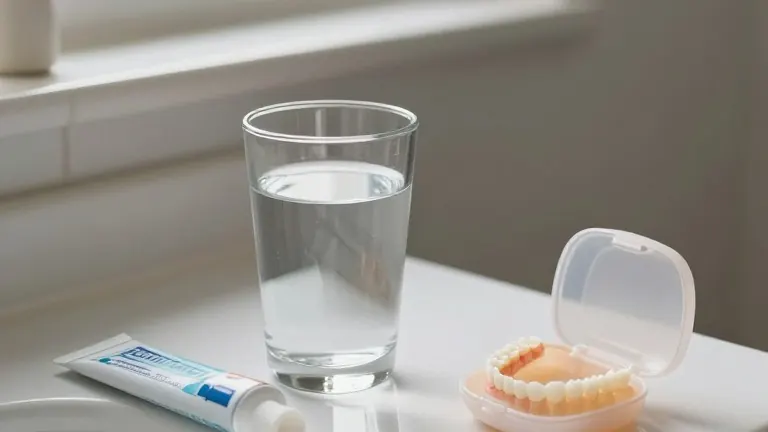
Dry mouth affects 30% of adults aged 65 and older, with prevalence rising to 40% for those 80 and up, according to the American Dental Association. The condition occurs when salivary glands fail to produce sufficient fluid, a problem Dr. Rhea Rogers, a board-certified physician, says requires identifying the underlying cause before treatment can begin.
Rogers identified dehydration, nerve damage, cancer, autoimmune disorders, and medications as primary drivers. She noted that for healthy individuals not taking prescribed drugs, dry mouth can serve as an early warning sign of a developing internal issue. "That might be their clue that you have something going on in your body," Rogers said. She emphasized that finding the specific reason for the fluid shortage is the first step in management.
Gerontologist "Sam" Cradduck compared the role of saliva to engine oil in a vehicle, arguing that the body cannot sustain oral function without it. "People don't realize just how important saliva is," Cradduck said. She explained that a lack of saliva makes talking, eating, and chewing difficult. Rogers added that saliva serves as a natural cleanser that protects tooth enamel, a function that remains critical even for patients wearing dentures.
For denture wearers, reduced saliva can alter how the appliances fit and increase the frequency of sores and pain. Cradduck, who manages her own dry mouth resulting from an autoimmune condition, uses hard drops and gum to stimulate flow. She also warned against standard mouthwashes containing alcohol, stating that the ingredient is drying and works against the goal of maintaining moisture. "A lot of mouthwash has alcohol, and alcohol is drying, so that's counterintuitive," Cradduck said.
Amy O'Rourke, an aging expert, advised patients to report dryness during routine dental visits. She listed frequent coughing, recurring infections, and the avoidance of specific foods as indicators that a patient should speak with a professional. "Stay on top of it by reaching out to the professionals," O'Rourke said. Rogers noted that current treatments generally work by either stimulating underproducing glands or adding artificial moisture when glands cannot produce naturally.
The condition presents a physical challenge for a large segment of the senior population. As the demographic ages, the percentage of adults experiencing these symptoms continues to climb. Doctors and dentists recommend monitoring oral health closely to catch potential underlying issues early. The American Dental Association maintains that awareness of these specific risk factors is essential for effective long-term care.