Shake Stress Away in Seconds
Clinicians suggest a brief physical movement to release muscle tension and interrupt anxious thoughts without equipment or long routines.
By Rafael Bailey ·
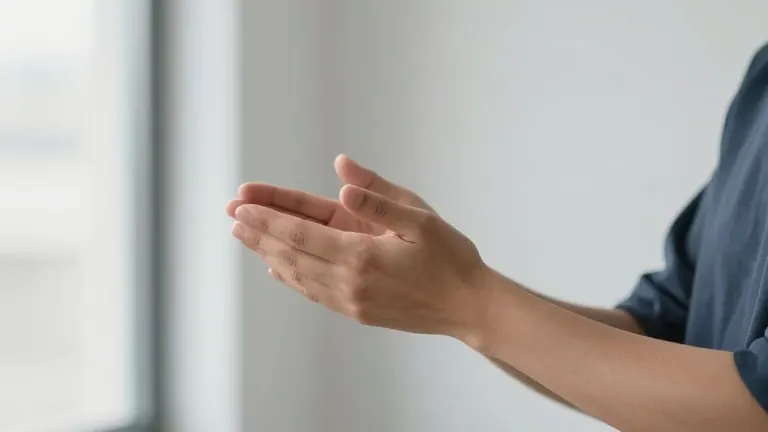
You can relieve physical tension in under a minute using a simple shaking motion that requires no equipment. This technique, known as somatic shaking, offers an immediate alternative to meditation or exercise for people managing stress.
Kim Penberthy, a clinical psychologist and professor of research in psychiatric medicine at the UVA School of Medicine, explains that the practice helps loosen clenched jaws, raised shoulders, and stiff necks. The movement interrupts the cycle of anxious thoughts by shifting focus to physical sensations.
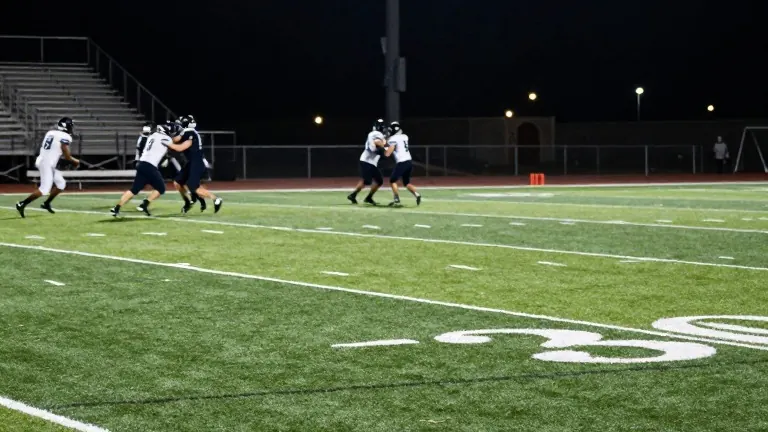
Penberthy notes that it is difficult to tense a shoulder while simultaneously shaking the arm. Allowing the limb to hang loosely encourages muscle relaxation. She often uses the technique after stressful days, particularly when her neck aches. The motion resembles athletes shaking out their limbs before competition.
Lisa George, a psychiatric and family nurse practitioner and founder of Talk Tribeca Psychiatry in New York, advises starting with a gentle shake of the hands for 10 or 15 seconds. Users should stand with feet planted or sit in a chair. After shaking the hands, the arms can join the motion while keeping shoulders relaxed.
If comfortable, individuals can loosen one leg followed by the other. Standing users may hold a chair or wall for support. Those sitting can tap their feet instead. The movement should remain gentle, with eyes open and normal breathing.
George describes the practice as an active form of stretching. She shakes things out in her office, even around other people. The goal is not to work up a sweat but to see if the movement feels good. This approach offers a realistic option for busy workdays, avoiding the need to take a 20-minute run.
After the brief shake, users should stop and notice their physical state. Shoulders may drop, hands may unclench, and internal dialogue may quiet down. The result can be feeling calmer, unchanged, or more energized. Penberthy suggests rating tension before and after to track changes, noting that any reduction is valuable.
Morgan Starr-Riestis, a therapist in Honolulu, recommends using the technique between tasks or after tense interactions. She recently shook for about 10 seconds beside her car following a dental appointment. The motion allows pent-up energy to dissipate so it is not carried around.
Starr-Riestis acknowledges that the movement may feel socially awkward to some. She compares it to doing squats in public, where people usually understand the purpose. Those who prefer privacy can use a restroom or another secluded spot. The technique is free and takes very little time, avoiding the long routines common in wellness cultures.
The practice concludes with a moment of stillness. Users should take a breath and settle before returning to work or checking phones. Starr-Riestis identifies this post-movement stillness as the most important part of the process.