Texas Senate Race Narrows as Paxton and Talarico Clash Over State Identity
With $573 million spent and early voting surging, the contest between the state attorney general and a progressive congressman has become the most expensive non-presidential election in US history.
By Anthony Lawson ·
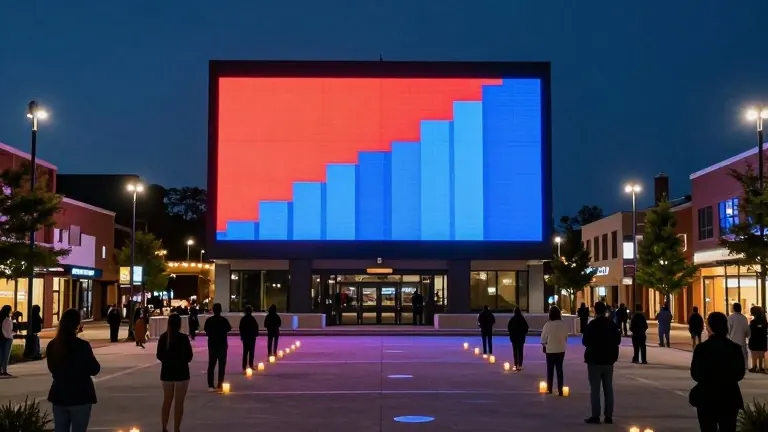
$573 million. That is the amount already spent on the Texas Senate race, according to Ad Impact, making it the most expensive non-presidential political contest in American history. The money has flowed largely into television advertising as campaigns attempt to reach voters across a vast and geographically diverse state. The race pits Ken Paxton, the Republican nominee, against James Talarico, the Democratic challenger from Austin.
The election is framed by both sides as a fundamental struggle for the soul of Texas. Paxton, the state attorney general, positions himself as a defender of traditional values against what he calls radical change. At a rally in Cullen Yards near Fort Worth on Saturday, Paxton described Talarico as the most radical Democrat to run for state office in Texas. He accused Talarico of loving tax increases and targeting tips, overtime pay, and Social Security benefits.
Paxton’s delivery is described as anti-performative, contrasting with the polished style often seen in modern American politics. He is a soft-spoken figure with a flat voice, which distinguishes him from many of his contemporaries. His campaign argues that Talarico’s plan for state finances excludes ordinary Texans. Paxton’s record includes suing the Biden administration over one hundred times, a statistic his team uses to underscore his aggressive stance on executive power.
Talarico, a state congressman and Presbyterian seminarian, counters with a message of fiscal responsibility and moral clarity. He frequently labels Paxton the most corrupt politician in Texas history. Talarico’s campaign has framed the election in biblical terms, describing the opposition as a fight against billionaire mega-donors and corporate special interests. He aims to appeal to voters who feel alienated by the current political establishment.
Elon Musk, a part-time Texas resident and Trump ally, has injected $168 million into the race to support Paxton. The trillionaire uses his social media platform X to attack Talarico regularly. In one recent post, Musk wrote that Talarico would vote to trans kids. These high-profile endorsements and attacks have intensified the personal nature of the campaign, turning policy debates into character assessments.
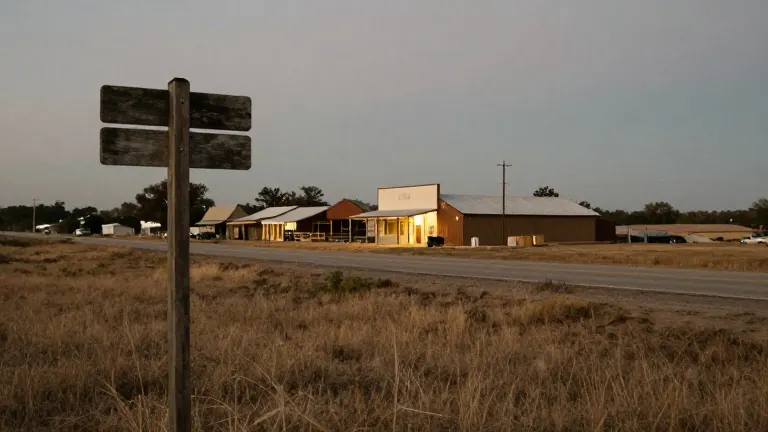
Voters in rural Texas, such as those in Archer City, view the election through the lens of local identity. Archer County has voted for Donald Trump with increasing consistency: 88 percent in 2016, 89.5 percent in 2020, and 90 percent in 2024. Residents there describe their community as unchanged for decades, a place where everyone knows everyone. For these voters, the Democratic platform feels contrary to the values of the Texan interior.
Paxton’s supporters dismiss Talarico’s attacks as mudslinging. Kim Carter, a Paxton supporter from Collin County, argued that Talarico is a puppet for the Democrats lacking substance. She noted that Paxton’s personal life issues, including a bribery impeachment charge and an infidelity allegation, are common among politicians. She believes his proven track record as a state leader outweighs these personal controversies.
The race remains close. A recent release from Texas Southern University showed Paxton leading 49 percent to 47 percent. Previous polls had Talarico leading by up to six points, but that gap has narrowed. The Talarico campaign has acknowledged that its internal polling may not fully account for the steadfast support of traditional Trump-aligned Republicans in the state’s interior. This demographic may vote based on long-standing habits rather than new campaign messaging.
With millions of Texans already having cast early votes, the final outcome will depend on turnout in both urban and rural areas. The election will determine control of a key Senate seat and offer a preview of the political dynamics in a state that has historically leaned Republican but is experiencing demographic shifts. The massive expenditure of funds suggests both parties view the result as a critical test of their national strategy.