Trump Cuts Bears Ears Monument by 90%, Triggering Legal Challenges and Mining Rush
A federal judge has reinstated lawsuits against the administration's July order, which reduced the protected area from 1.36 million acres to 121,000 acres.
By Rafael Bailey ·
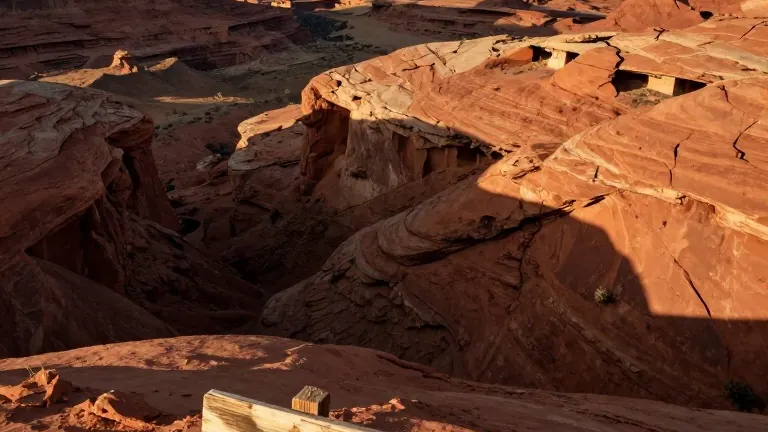
The Trump administration reduced the boundaries of Bears Ears National Monument in southeastern Utah by more than 90% on July 13, 2026.
The proclamation shrank the protected area from approximately 1.36 million acres to about 121,000 acres. Since September, multiple companies have filed more than 70 mining claims on the land removed from the monument. On October 13, U.S. District Judge Tanya Chutkan lifted stays on litigation originating from the 2017 reductions, allowing legal challenges to the current cuts to proceed.
The dispute involves conservation groups, tribal nations, and the Native American Rights Fund. Plaintiffs are represented by Earthjustice, the Southern Utah Wilderness Alliance, and the Natural Resources Defense Council. Heidi McIntosh, managing attorney of Earthjustice's Rocky Mountain office in Denver, stated that the president's actions do not align with the 1906 Antiquities Act.
McIntosh argued that the statute authorizes the president to designate and protect monuments, but not to change or revoke them. She noted that authority to alter such boundaries remains solely with Congress. At an October 15 status conference, Judge Chutkan directed the parties to address a briefing schedule and required the government to give plaintiffs 48 hours' advance notice of surface-disturbing activities on the excluded lands.
Grant Stevens, communications director for the Southern Utah Wilderness Alliance, reported that federal agencies removed entrance signs from the monuments shortly after the reduction. At least one sign displayed the seals of the five tribes that composed the Bears Ears Commission. Jessica Wiarda, a Hopi tribal member and advocate, said the removal impacted the mood in San Juan County. She stated that tribal members felt the administration was erasing tribal presence and involvement.
The Mining Law of 1872 allows companies and individuals to stake claims by identifying mineral deposits and marking boundaries. Claims filed before September 11, 2026, are considered premature by conservation groups. Stevens predicted that extractive uses would be pursued at a faster pace than in 2017. McIntosh added that interest in oil and gas drilling has also emerged, citing the administration's energy agenda.
The monument contains ancient cliff dwellings, ceremonial kivas, and rock art. McIntosh described the area as one of the richest archaeological areas in the country. She warned that the rollback could facilitate looting, as off-road vehicles previously helped transport stolen materials from sites. The Southern Utah Wilderness Alliance held five rallies throughout Utah a week after the reduction to organize support for permanent protections.
Trump stated that previous presidents took land away from Utah residents when they designated the monuments. Rep. Celeste Maloy said residents want the land available for multiple use. The monument's website lists permitted activities including hiking, camping, hunting, and rafting. The area received hundreds of thousands of visitors annually, contributing to local economies.