Ukrainian Regiment Establishes Dedicated Air Medical Unit After Successful Drone Evacuations
The 475th Separate Assault Regiment plans to create a specialized aviation wing after using StarGate drones to extract two wounded soldiers from a high-threat zone.
By Carlos Rousseau ·
Oleksandr "Flint" Nastenko, commander of the 475th Separate Assault Regiment, announced that his unit will establish a dedicated medical aviation wing. The decision follows the successful use of aerial drones to extract two injured fighters from the front line this week. Nastenko stated that the new unit will specialize in evacuating wounded soldiers by air.
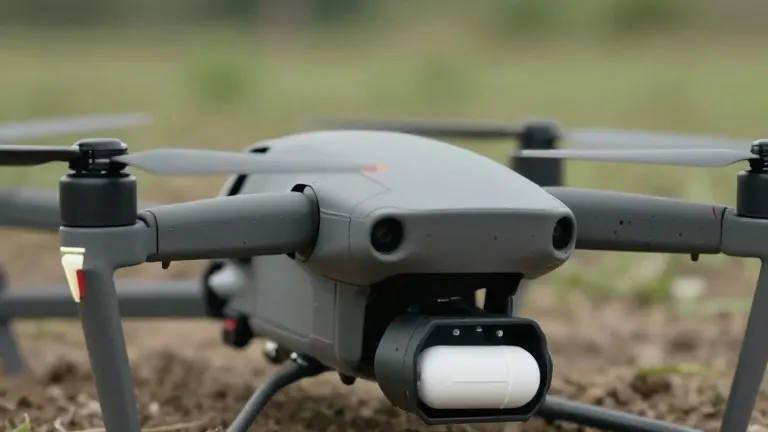
The 475th Separate Assault Regiment, also known as CODE 9.2, utilized the StarGate drone for these two rescue missions. The aircraft was developed by SkyFall, a Ukrainian manufacturer, for the specific purpose of casualty evacuation. The regiment coordinated with SkyFall representatives for one week to prepare the complex operations. These missions required fire support and coordination with other branches of the Ukrainian defence forces.
The first patient was Yevhen, a 25-year-old soldier with the alias Izium. The second was Artem, a 24-year-old soldier with the alias Kolobok. Both men sustained severe limb injuries and were located in the grey zone, approximately 5 km from the Russian border. The unit described the terrain as difficult, with water obstacles and a constant threat from enemy FPV drones. Ground evacuation was impossible, leaving aerial extraction as the only viable option to save the soldiers.
During one of the missions, the StarGate drone traveled nearly 30 km to reach the serviceman's position. It then flew the same distance back with the soldier on board. Russian forces actively deployed electronic warfare systems in the operational area. These systems attempted to suppress satellite navigation signals completely.
The StarGate drone features an AI-based navigation system that allows it to function without GPS. This capability enabled the crew to complete the mission successfully despite the electronic interference. The aircraft has a maximum speed of 105 km/h and a range of up to 30 km. For medical operations, it carries a dedicated capsule equipped with a stretcher and can handle a payload of up to 150 kg.
Prior to these recent operations, the military reported a separate aerial evacuation on 19 October. That mission used a drone manufactured by Gurzuf Defence. The StarGate drone was previously handed over to the military for frontline testing by SkyFall.
The regiment has now integrated the StarGate drone into its active rotation for medical evacuations. The unit will continue to refine its procedures for air-based casualty extraction in high-threat environments.