
$30: The cost of a single Medicare Part D policy review
Aging expert Amy O'Rourke says an annual audit of prescription coverage can slash monthly premiums from $100 to $30, saving seniors hundreds of dollars a year.
By Carlos Rousseau ·
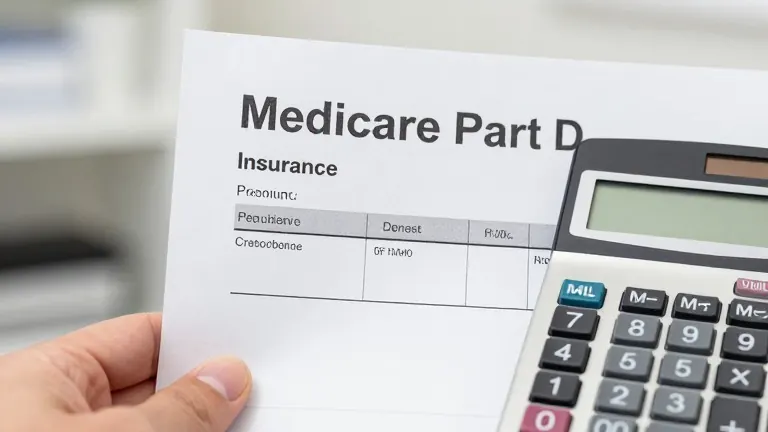
A client of aging expert Amy O'Rourke paid $100 a month for Medicare Part D coverage. After a routine review, that premium dropped to $30 a month. The client now saves $70 every month simply by changing plans.
Prescription costs often force patients to do the math before filling a script. Gerontologist Sam Cradduck says affordability is a core health care issue. He notes that a medication sitting on a shelf does not help anyone. The goal is to get the drug into the patient's hands.
O'Rourke advises that Medicare Part D coverage should be reviewed every year. She warns against letting the plan renew automatically. Her client's case shows that a lower-cost option is often available if the policy is examined closely.
She also points to the Extra Help program. This program assists with prescription costs for those who qualify based on income. Participants can receive medications for free or for a very low cost.
Insurance companies sometimes deny coverage for specific drugs. O'Rourke says patients should appeal these decisions rather than accepting the denial. A doctor's help in presenting the appeal can lead to successful coverage.
Pharmacy prices vary widely. O'Rourke recommends comparing rates at different locations. She says the difference in cost can be surprising. Patients should ask about generic versions of their medications as well. Dr. Rhea Rogers, a board-certified physician, notes that generics are frequently available for common conditions like blood thinners.
Cradduck suggests that patients stick to one pharmacy for all their medications. Using a single location allows the pharmacist to track drug interactions. He says this tracking is a key part of the pharmacist's job. Using multiple pharmacies means no one is monitoring how the drugs work together.
If a pharmacist suggests a change to a medication, aging well coach Katherine Ambrose says patients should return to their doctor. The doctor must agree to the change before it is made. This ensures the new plan is safe for the patient.
Experts advise against splitting pills or skipping doses to stretch a refill. Patients should ask questions about resources before rationing their medication. Free samples from drug company representatives are another option. Cradduck says doctors may have access to these free programs.
Pharmacists can also recommend cards that reduce medication costs. These tools are often available at the pharmacy counter. Patients should ask about them during their visits. The combination of annual reviews, price comparisons, and appeals can lower the total cost of care.
O'Rourke's client now pays $30 a month instead of $100. The savings amount to $840 over a year. This reduction allows the patient to afford other necessary expenses. The experts emphasize that action is required to lower costs. Passive renewal often leads to higher premiums.