
How to Pick Better Wine Without a Tasting Certificate
John Wilson outlines seven practical methods for selecting bottles based on alcohol content, grape variety, and region, advising that Irish excise duties make the mid-price range the best value.
By Rafael Bailey ·
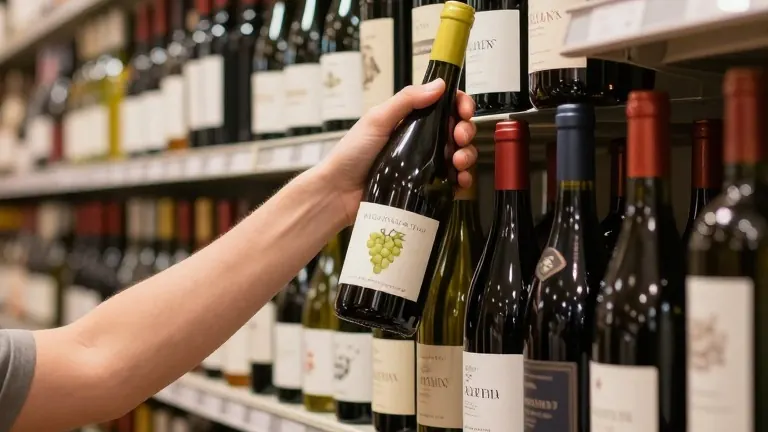
Selecting a quality bottle of wine requires less expertise than most shoppers assume, according to John Wilson.
Wilson states that the general standard of wine is currently at a high level, meaning even inexpensive options are rarely undrinkable. However, he notes that high excise duties in Ireland mean the best value lies between 12 and 25 euros per bottle. Spending in this range yields a more enjoyable experience than buying the cheapest available stock, which can taste dilute or overly sweet.
Understanding the difference between light and heavy wines is the first step. Light wines, whether red or white, typically have lower alcohol levels and fresh fruit flavors. Heavier wines contain more alcohol and feel rich and heavy in the mouth. Medium-bodied wines fall in between, offering a rounded and fruity profile.
The alcohol percentage on the label serves as a reliable indicator of weight. Wines with 13 percent alcohol by volume or less are generally light and juicy. Producers are increasingly crafting wines at this specific strength to match shifting consumer tastes. Bottles with 14 percent alcohol or more are big and powerful.
Grape variety names provide another clear signal. Many non-European wines list the grape on the label. Sauvignon blanc, albariño, and riesling are widely available light white options. Chardonnay and viognier tend to be richer. In reds, pinot noir, blaufränkisch, and gamay are lighter, while malbec and shiraz are higher in alcohol and full-bodied.
For European wines that do not list the grape, the region offers a guide. White wines from Vinho Verde, Soave, Muscadet, and Picpoul de Pinet are typically light. Reds from Beaujolais, Valpolicella, and Bourgogne are also light. In contrast, Châteauneuf-du-Pape, Amarone, Vacqueyras, and Saint-Émilion are often higher in alcohol and can taste dry.
Rosé and appassimento wines offer specific styles. Most rosés are light, refreshing, and dry. Red wines labeled appassimento are usually rich and full-bodied. Shoppers can also use a personal log to track preferences. Taking a photo of each bottle purchased and noting whether it was nice, awful, or delicious creates a simple record of tastes.
Retail staff are a useful resource. Most wine shops employ knowledgeable people who can assist with selection. Bringing the names of previous favorites helps staff suggest similar wines from different regions. Shoppers should also specify their budget. Wilson advises ignoring complex advice from experts and snobs, as well as decorative bottles that may mask the wine inside.