Village Boy Meets New Neighbor
A nine-year-old in rural Japan encounters a new resident who challenges local gossip and expectations.
By Carlos Rousseau ·
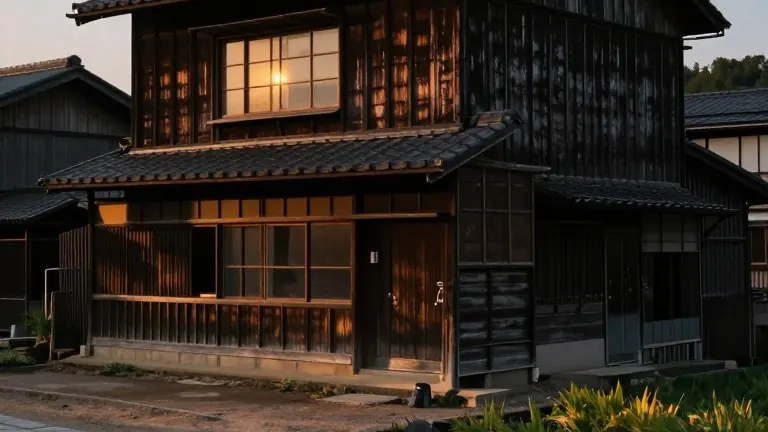
Nine was the age of the narrator in Yasushi Inoue’s recent essay for The New Yorker, a age that defined his perspective on a summer in the Taisho era. The story is set in 1918 or 1919 in Shinano, a farming village near Nagano, where the boy lived with his sake-brewing uncle while his parents served in Taiwan.
The narrative centers on Omitsu, a twenty-three-year-old woman who rented a dilapidated storehouse in the village. She was the companion of a middle-aged construction contractor who did not live on the premises. Before her arrival, the local children had constructed myths about her, treating her as a dangerous figure akin to an ogre. The villagers, led by an elderly grandmother who rented the property, viewed her with suspicion due to her status as a mistress.
The boy’s first encounter with Omitsu occurred in late August when she visited his aunt. The woman presented a box of chocolates, a rare treat in the region at the time, which the aunt accepted after initial hesitation. Omitsu’s gentle demeanor and delicate appearance contrasted sharply with the heavy, skeptical attitude of the aunt and the uncle, who referred to her as a worthless woman. The boy was struck by her beauty and the sweet scent she carried, a sensation that left him momentarily unable to move.
In the days following the introduction, the neighborhood children attempted to spy on Omitsu from the surrounding chestnut and walnut trees. One boy fell from a tree and twisted his ankle, an event the group attributed to the mistress’s potential for black magic. However, the fear faded as autumn arrived. The children resumed playing near the storehouse and found the presence of Omitsu to be a source of amusement rather than dread.
The dynamic shifted when the boy was sent to deliver sushi to Omitsu in early October. He found a man in the house who he did not recognize. The man, wearing a white shirt and long underwear, invited the boy upstairs to a second-floor room. The space was cluttered with sake bottles and plates, and the bedding was spread out. The man, identified later as Shinjo Shinsuke, struck a deal with the boy: he would take the child to see a motion picture in exchange for regular meal deliveries.
The boy left without telling his guardians about the man’s presence, hoping to spare Omitsu further scrutiny. The next morning, Shinsuke walked through the village carrying an air rifle and wearing the same clothes from the previous night. He greeted everyone with an energetic declaration that he was feeling good. The children followed him as he prepared to shoot, a routine that marked the beginning of his visible integration into the daily life of the village.