Ohio and Michigan: Record Early Turnout and Shifting Power in the Midwest
57 million early votes fueled decisive victories in key Great Lakes races, with Democrats capturing the governorships in Ohio and Michigan while Republicans retained Senate control in Kentucky and West Virginia.
By Carlos Rousseau ·
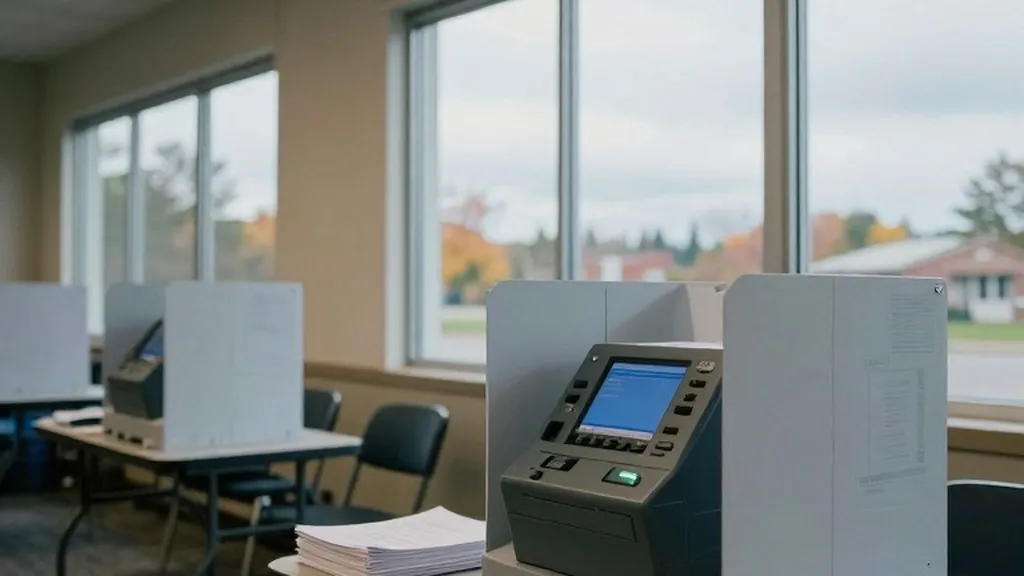
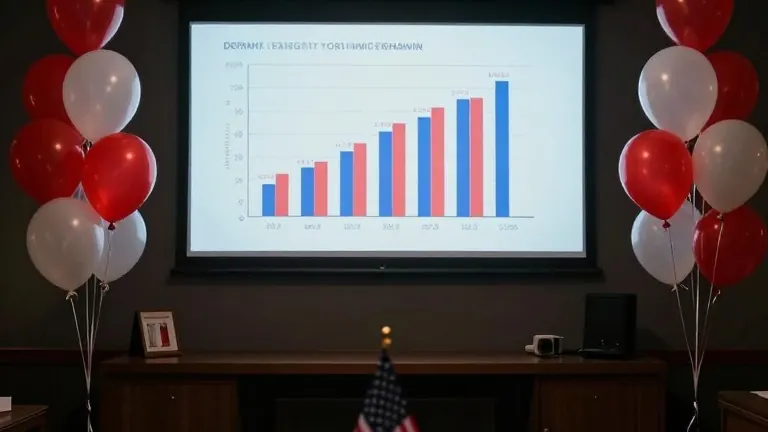
The 2026 midterm elections concluded with a surge in voter participation that reshaped the political landscape of the Great Lakes and Ohio Valley regions. A total of 57 million early votes were cast before Election Day, a figure that signaled high engagement and set the stage for decisive outcomes in critical state and federal races. Both major parties had placed significant bets on turnout, believing that high participation would favor their respective candidates in the competitive districts of the Midwest. The final tallies confirmed that the ground game and early voting infrastructure were decisive factors in determining the victors in these open seats and key Senate contests.
In Ohio, the race for governor resulted in a historic shift as Democrat Amy Acton won by eight points. This victory marked the first time in nearly 20 years that a Democrat has been elected to the governor's mansion in the state. The result was particularly notable given the intense campaign dynamics, including a widely discussed advertisement by her opponent, Vivek Ramaswamy. The race concluded with Acton securing a clear majority, ending a long stretch of Republican control in the state executive office. The outcome underscores the changing dynamics in a state that has traditionally been a stronghold for the Republican Party.
Michigan also saw a significant change in leadership with the election of its new governor. The polls in Michigan were open from 7 a.m. to 8 p.m. on Election Day, allowing for a full day of voting that contributed to the final results. The governor's race was an open seat, and the winner will now assume control of the state's executive branch. This victory adds to the list of Democratic gains in the region, suggesting a broader trend of shifting voter preferences in the state. The new governor will face the task of leading the state during a period of economic transition and increased national attention on the region.
In the Senate races, the results were more mixed, reflecting the complex nature of federal elections in the region. In Kentucky, where polls were open from 6 a.m. to 6 p.m., the open Senate seat was contested by candidates from both parties. The race in Kentucky is a critical one, as the state has historically leaned Republican in federal races. The outcome in Kentucky will influence the balance of power in the U.S. Senate and has implications for the broader legislative agenda in the coming years. The result in Kentucky highlights the continued competitiveness of Senate races in the Ohio Valley region.
West Virginia, with polls open from 6:30 a.m. to 7:30 p.m., saw incumbent Shelley Moore Capito win re-election to the U.S. Senate. This victory was a key win for the Republican Party, as it helped maintain their presence in the Senate from a state that is often considered a reliable Republican voting district. Capito's re-election was seen as a testament to her ability to connect with voters on issues such as the economy and border security, which were central themes in the campaign. The result in West Virginia provided a counterbalance to the Democratic gains in the governor's races in Ohio and Michigan.
The high turnout of 57 million early votes was a major factor in the outcomes of these races. Both parties had predicted that turnout would be a decisive element, and the final results supported those predictions. The ground game, including door-to-door canvassing and phone banking, played a crucial role in mobilizing voters. The early voting period allowed for a sustained campaign effort that extended beyond the final days of the race, giving candidates more time to reach voters and make their case. This extended period of engagement contributed to the high level of participation and the decisive nature of the results.
The results in the Great Lakes and Ohio Valley regions have significant implications for the national political landscape. The Democratic gains in the governor's races in Ohio and Michigan represent a shift in power that could influence the state's policy direction in the coming years. The Republican retention of the Senate seats in Kentucky and West Virginia ensures that the party maintains a strong presence in the federal legislature. These outcomes will shape the legislative agenda and the balance of power in Congress for the next two years. The region's voters have made clear their preferences on key issues, and the new leaders will need to respond to those signals.
The economic implications of these election results are also significant. The new governors in Ohio and Michigan will be tasked with addressing economic challenges, including cost of living and job creation. The Republican senators in Kentucky and West Virginia will focus on maintaining fiscal discipline and supporting business growth. The differing priorities of the new state and federal leaders will create a dynamic political environment in the region. The ability of these leaders to work together and address the concerns of their constituents will be a key factor in the region's economic performance in the coming years.
The border security issue, which was a central theme in the campaign, will also be addressed by the new leaders. The Republican senators will likely push for stronger border security measures, while the Democratic governors may focus on a more balanced approach that includes both security and humanitarian considerations. The differing perspectives on border security will create opportunities for both collaboration and conflict in the region. The ability of the new leaders to navigate these differences and find common ground will be a key factor in the region's political stability.