High prices drive voters in Great Lakes and Ohio Valley races
AP-NORC data shows economic anxiety is the top concern as polls open in key states.
By Carlos Rousseau ·
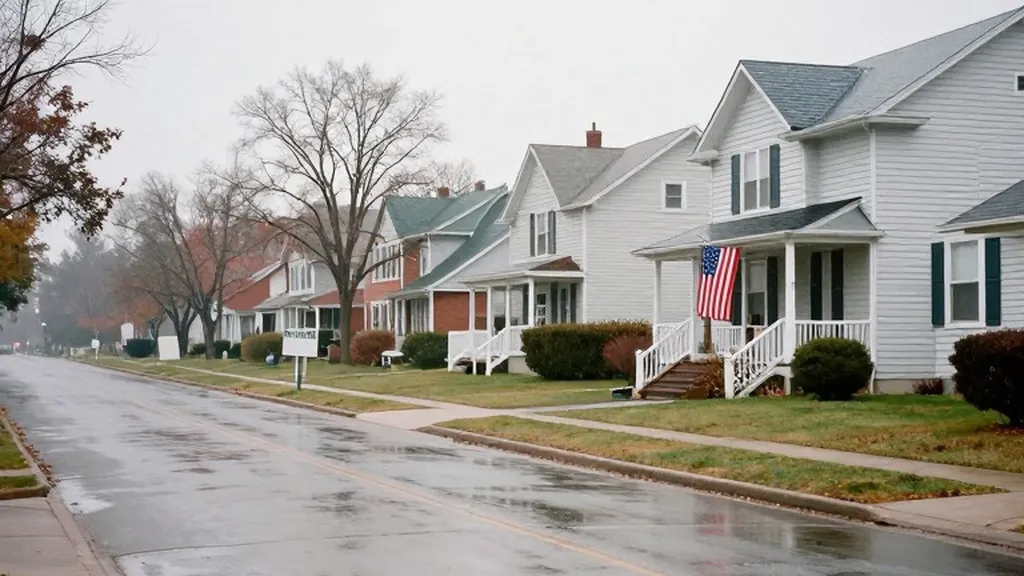
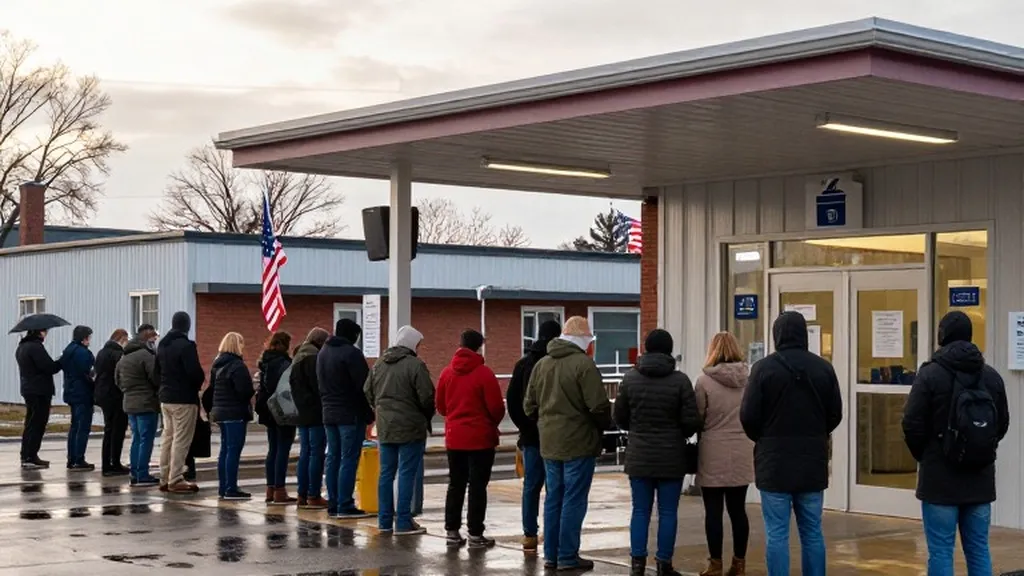
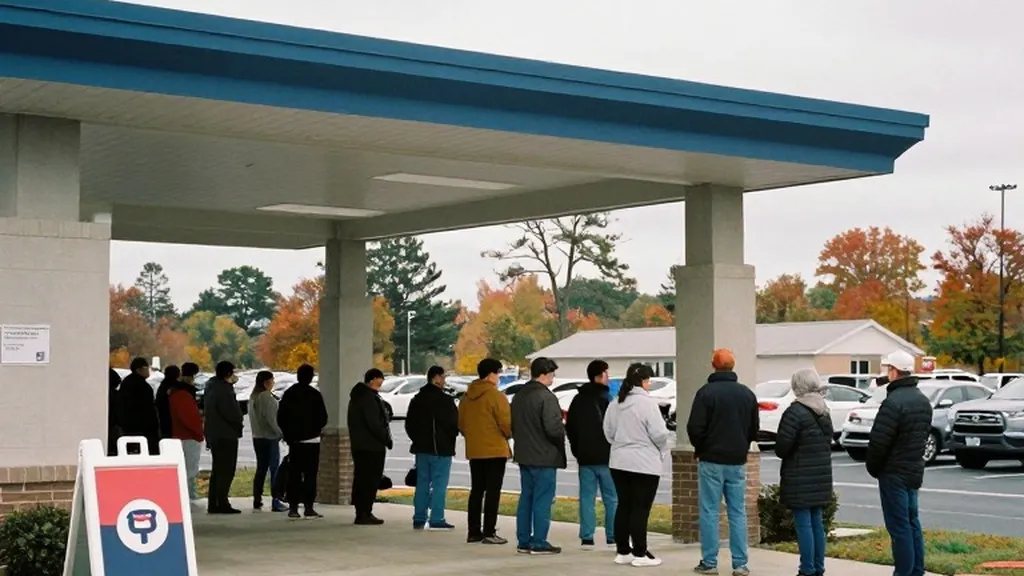
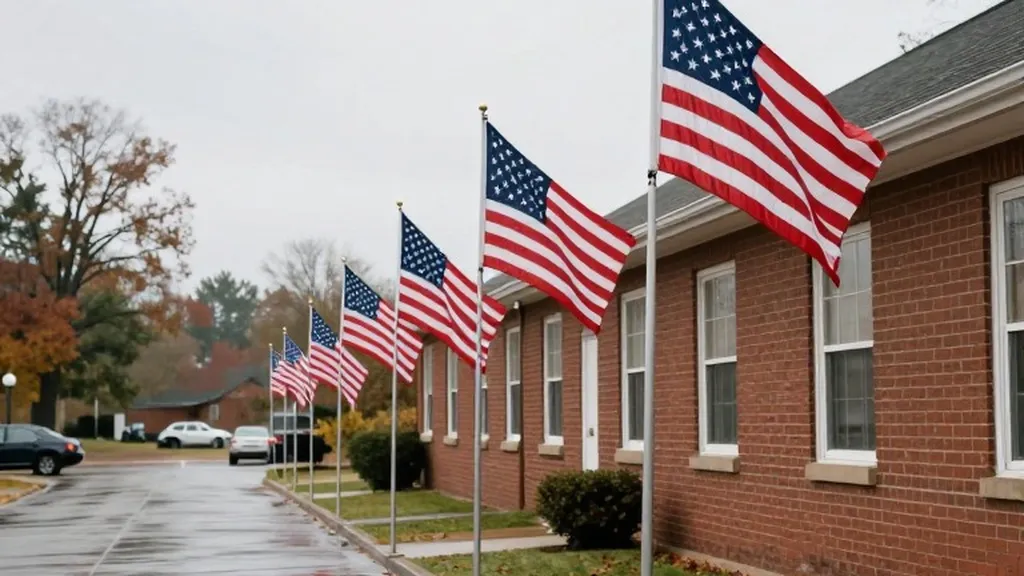
As polls open across the Great Lakes and Ohio Valley regions, voters are casting ballots in a midterm election that the Associated Press describes as a referendum on President Donald Trump's second term. In Ohio, polls are open from 6:30 a.m. To 7:30 p.m. Local time, where voters face a special Senate race and a governor's race for an open seat. In Michigan, polls are open from 7 a.m. To 8 p.m., featuring an open Senate seat and an open governor's race. Kentucky polls are open from 6 a.m. To 6 p.m., with an open Senate seat on the ballot, while West Virginia polls are open from 6:30 a.m. To 7:30 p.m., where incumbent Republican Senator Shelley Moore Capito is running for reelection.
35 percent of U.S. Adults approve of President Trump's job performance, while 25 percent approve of his handling of the economy. Approximately seven in ten adults say the country is heading in the wrong direction, and most blame the president for high prices. This economic sentiment is driving voter behavior in key states such as Michigan, where the AP notes that economic strain and tariffs have made the state competitive. The AP-NORC poll is one of many indicators used to gauge the mood of the electorate on this critical day.
James Moore, a 57-year-old librarian in Raleigh, North Carolina, said that he is paying more taxes, more for healthcare, and more for everything. His experience reflects the broader concerns of voters in the region who are weighing the cost of living against political loyalty. In contrast, Mark Barker of Palm Beach Gardens, Florida, stated that he has been following Trump the whole time and believes he is doing an awesome job. These divergent views highlight the split in the electorate over the economic impact of the current administration.
Republicans are bracing for a potential loss in the House of Representatives, where all 435 seats are up for grabs. Democrats currently hold 214 seats and need a net gain of three districts to secure a majority. Republicans hold 218 seats and can lose no more than two to maintain control. In the Senate, 35 seats are up, with Republicans holding 53 seats and Democrats holding 45. Democrats need a net gain of four seats for a majority, while Republicans can lose only two. The outcome in these chambers will determine who controls the legislative agenda for the final two years of the president's term.
More than 57 million people had already voted as of Monday, surpassing the early vote of four years ago in many closely watched states. This high level of early voting suggests strong engagement among the electorate. In the Great Lakes region, turnout is a critical factor, as RNC Chairman Joe Gruters noted that everything depends on turnout and that if they turn out their voters, they win. Democrats, meanwhile, are described as cautiously optimistic, with DCCC Chair Rep. Suzan DelBene stating that the American people are angry and want change.
In Michigan, the Senate race features Republican former Rep. Mike Rogers against Democrat Abdul El-Sayed. On Sunday, El-Sayed's former primary opponent Haley Stevens endorsed Rogers, a move that may influence undecided voters. The governor's race in Michigan is also an open seat, with no incumbent on the ballot. In Ohio, the special Senate race pits Democratic former Sen. Sherrod Brown against Republican Sen. Jon Husted. The governor's race in Ohio features Republican Vivek Ramaswamy against Democrat Amy Acton, a race that has drawn attention due to a campaign ad featuring Acton's estranged mother.
Kentucky voters are deciding an open Senate seat, with no governor's race on the ballot this cycle. The state has historically leaned Republican, but the current political climate and economic concerns may impact the outcome. In West Virginia, incumbent Senator Shelley Moore Capito is running for reelection in a state that has voted Republican in recent presidential elections. The AP notes that one or two Senate seats could tip the balance of power in either chamber, making these races particularly significant.
President Trump held dozens of rallies leading up to Election Day, ending on Sunday in Salina, Kansas. He told the crowd, "I really want you to pretend I'm on the ballot." His schedule included stops in Mississippi, South Carolina, and Texas. Many Republican candidates have kept their distance from the president, reflecting a cautious approach to the midterm dynamics. Trump has continued to make claims about voting fraud, including that noncitizens vote in large numbers, which has led to legal challenges in states like Alaska and California.
Money is playing a significant role in these elections, with the 2026 contests expected to be the most expensive in history. Republican committees have outraised and outspent Democratic committees, aided by Trump-affiliated groups and Elon Musk. However, at the candidate level, Democrats have outraised their opponents. According to AP analysis of AdImpact data, 88.1 percent of Republican general election TV ad spending went to states and districts that Trump won in 2024. This strategic spending reflects the party's focus on defending its base while attempting to expand its reach.
In the Great Lakes and Ohio Valley, voters are also considering the impact of new congressional maps. Ohio is using a new map for this election, which may affect the outcome of House races. The AP notes that new districts in Florida and elsewhere may not vote as drawn, adding a layer of complexity to the election. Wall Street is watching these results closely, as Reuters reports that the outcome could add to investor concerns about AI spending and debt ceiling negotiations. The economic stakes are high, and voters in these regions are making their choices with an eye on the future of the national economy.