House control hinges on 46 battlegrounds and three-seat margin
With all 435 seats up for grabs, the balance of power in the House will be determined by a narrow three-seat difference and the outcomes in key districts across the Great Lakes and Ohio Valley.
By Rafael Bailey ·
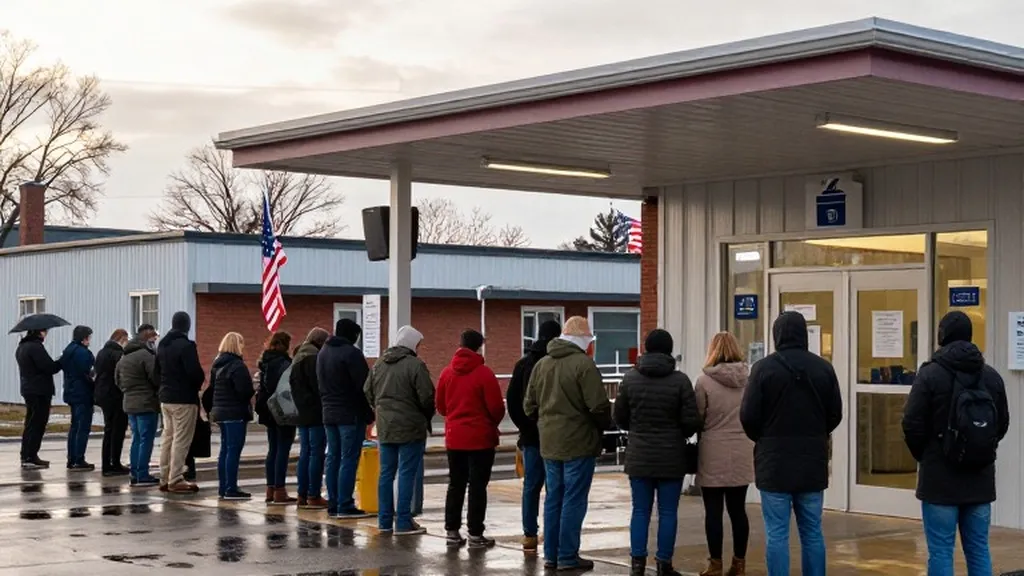
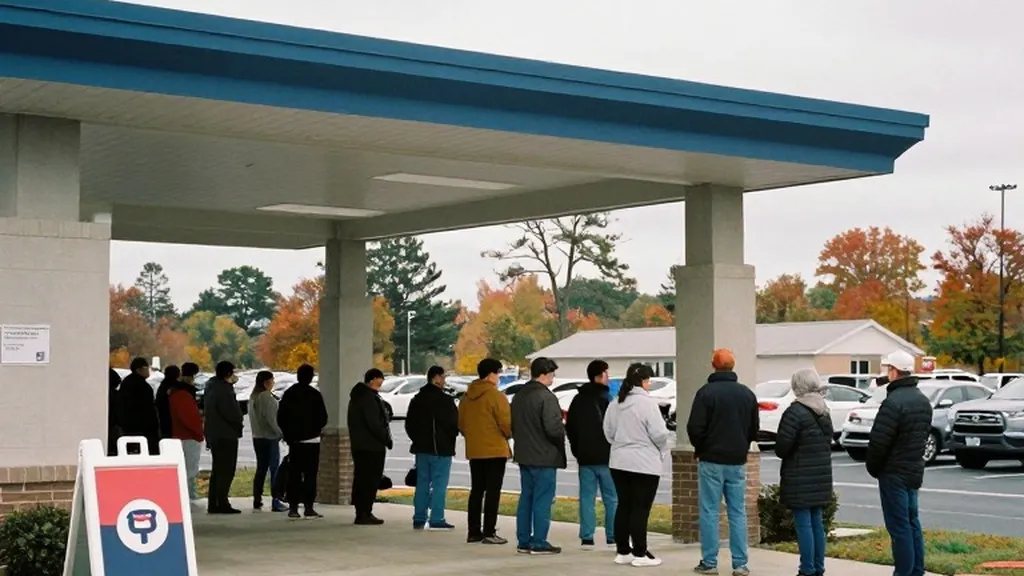
Voters across the United States are casting ballots on Election Day, Tuesday, November 3, 2026, to determine which party will control the U.S. House of Representatives for the final two years of President Donald Trump's second term. All 435 seats are on the ballot, with Republicans currently holding 218 seats and Democrats holding 214, alongside one independent and vacancies. The Associated Press describes the election as a referendum on the president's performance, noting that voters are struggling with high prices and are angry over an unpopular war with Iran. This context frames the intense competition for the few seats that could shift the majority in the lower chamber.
The mathematical stakes for the House are precise. Democrats need a net gain of three districts to secure a majority, while Republicans can afford to lose no more than two seats to maintain their control. Ballotpedia identifies 46 battleground districts, of which 25 are currently held by Democrats and 21 by Republicans. These districts are the primary focus of campaign spending and voter outreach, as they represent the most likely places for the balance of power to shift. The outcome of these specific races will dictate whether the House remains in Republican hands or falls to the opposition.
Redistricting has added a layer of complexity to the 2026 midterms. Seven states are using new congressional maps following mid-decade redistricting efforts. These states include California, Florida, Missouri, North Carolina, Tennessee, and Texas, as well as Ohio. The new maps in these jurisdictions may alter the dynamics of local elections, and political analysts suggest that some of the newly drawn districts may not vote in the ways their maps initially implied. This shift means that candidates are navigating unfamiliar electoral landscapes that could impact their chances of winning.
In the Great Lakes and Ohio Valley region, specific state polls are open with varying hours. In Ohio, polls are open from 6:30 a.m. To 7:30 p.m. Local time, and there is no Senate race, but there is a governor's race for an open seat. In Michigan, polls are open from 7 a.m. To 8 p.m., with both an open seat in the Senate and an open governor's race. Kentucky polls are open from 6 a.m. To 6 p.m., featuring an open Senate seat but no governor's race. West Virginia polls are open from 6:30 a.m. To 7:30 p.m., with an incumbent Senate race for Shelley Moore Capito and no governor's race. These regional contests are critical as they align with the broader national trends in voting behavior.
The Associated Press and NORC polling data indicates that 35% of U.S. Adults approve of President Trump's job performance, while 25% approve of his handling of the economy. About seven in 10 respondents say the country is heading in the wrong direction, with most blaming the president for high prices. This sentiment is influencing voter turnout, with more than 57 million people having already voted as of Monday, surpassing early vote totals from four years ago in many closely watched states. The high level of pre-election voting suggests a strong engagement with the issues at stake, particularly the cost of living and economic stability.
Republican leadership is focused on turnout as a key factor in retaining the House. RNC Chairman Joe Gruters stated that everything depends on turnout, asserting that if they turn out their voters, they will win. In contrast, DCCC Chair Rep. Suzan DelBene described the American people as angry and wanting change. These statements reflect the strategic priorities of both parties, with Republicans aiming to counter the typical midterm pattern where a president's party loses seats. Democrats are cautiously optimistic, hoping to capitalize on voter dissatisfaction with the current administration's economic management.
Financial resources have played a significant role in shaping the race. The 2026 elections are likely to be the most expensive in history, with Republican committees outraising and outspending Democratic committees at the national level. This spending was helped by Trump-affiliated groups and support from Elon Musk. However, at the candidate level, Democrats outraised their opponents. An analysis of AdImpact data shows that 88.1% of Republican general election TV ad spending went to states and districts that Trump won in 2024, including more than $850 million in areas where he won by 10 points or more. This heavy investment in safe Republican areas highlights the party's strategy to protect its base while contesting the crucial battlegrounds.
The mood among voters is mixed, with individual perspectives reflecting broader national divides. Mark Barker of Palm Beach Gardens, Florida, expressed support for President Trump, stating that he believes the president is doing an awesome job. Conversely, James Moore, a 57-year-old librarian in Raleigh, North Carolina, cited higher taxes and increased costs for healthcare and everyday goods as reasons for his voting choice. These personal accounts illustrate the economic concerns that dominate the election discourse, particularly in the context of the high prices and tariff issues mentioned by the Associated Press.
Election administration has also been a point of attention, with a federal judge temporarily barring the Trump administration from carrying out a plan to prevent noncitizen voting. Critics argue that this plan risks disenfranchising eligible voters and infringes on states' authority over elections. Additionally, a judge ordered the administration to stop demanding that California election officials segregate ballots cast by people on lists of suspected noncitizens. The U.S. Postal Service has added hours, staff, and special lines to ensure mail ballots are counted on time, addressing logistical challenges that could impact the final tally.