Musk Money and the Cost of the 2026 Midterms
With the most expensive election in history underway, new data shows how Republican committee spending and candidate-level dynamics are shaping the race for Congress in the Great Lakes and Ohio Valley.
By Rafael Bailey ·
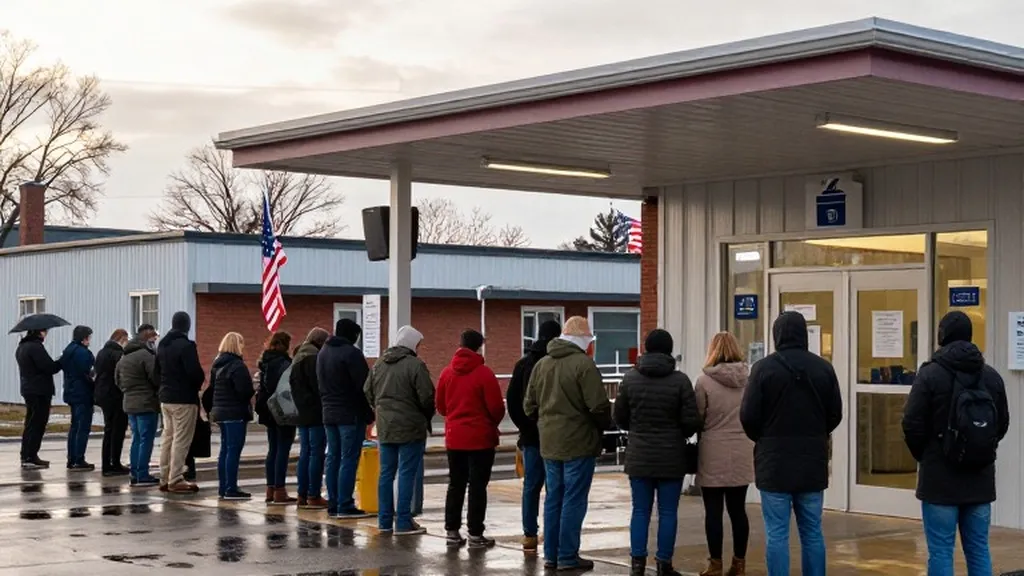
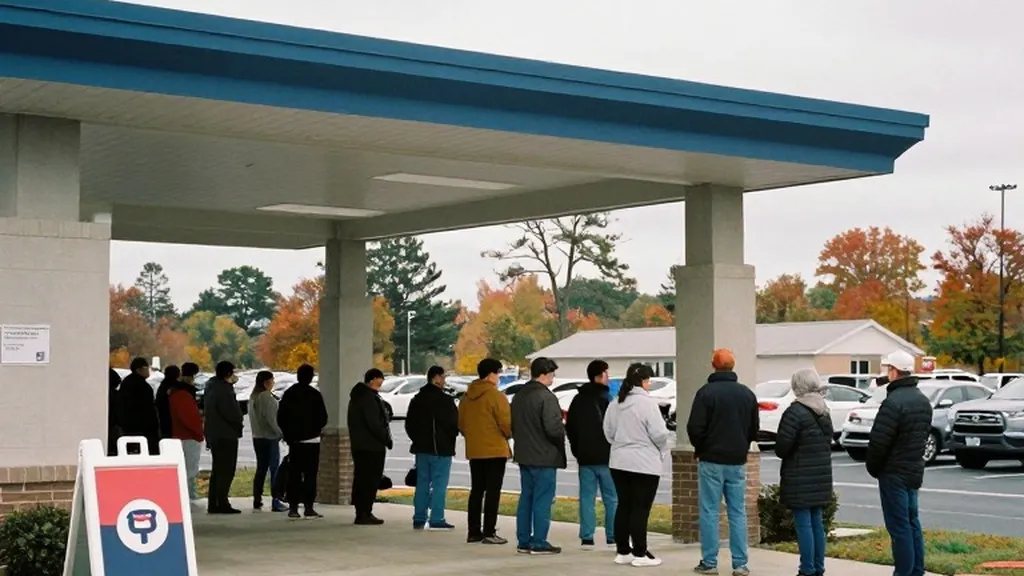
As voters across the Great Lakes and Ohio Valley head to the polls on this Tuesday, the 2026 midterm election stands as the most expensive contest in American history. The sheer volume of money flowing into these races has created a distinct financial landscape that differs significantly from previous cycles. According to data, the 2026 elections are likely to surpass all prior records for total expenditure. This surge in spending reflects the high stakes involved in determining which party controls Congress for the final two years of President Donald Trump's second term.
The distribution of this funding reveals a complex dynamic where party committees and individual candidates operate under different financial pressures. The Associated Press reports that Republican committees have outraised and outspent their Democratic counterparts at the committee level. This advantage has been significantly bolstered by contributions from Trump-affiliated groups and the tech billionaire Elon Musk. These external funds have provided a substantial cushion for Republican super PACs and party committees, allowing them to dominate the airwaves in key battleground states.
However, the picture changes when looking at the individual candidates running for office. The Associated Press notes that at the candidate level, Democrats have outraised their Republican opponents. This suggests that while the party infrastructure favors the GOP, individual Democratic campaigns have managed to secure robust fundraising. This divergence highlights the tension between top-down committee spending and the grassroots fundraising efforts that often drive candidate-specific campaigns. For voters in Ohio, Michigan, Kentucky, and West Virginia, this means a mix of heavily funded committee ads and targeted candidate messages competing for attention.
A striking detail from the Associated Press analysis of AdImpact data illustrates the strategic focus of Republican spending. The report finds that 88.1 percent of Republican general election TV ad spending went to states and districts that Donald Trump won in 2024. Within that broader category, more than $850 million was spent in areas where the president won by ten points or more. This concentration of resources indicates a defensive strategy aimed at protecting Republican-held seats in safe territory while also reinforcing the party's base in regions like the Ohio Valley.
In the Great Lakes region, the financial stakes are particularly high as several open seats come up for election. In Michigan, polls are open from 7 a.m. To 8 p.m. For a Senate race where former Representative Mike Rogers faces Abdul El-Sayed. The race has seen significant media activity, with El-Sayed's former primary opponent endorsing Rogers on Sunday. In Ohio, polls open at 6:30 a.m. And close at 7:30 p.m. For a special Senate election featuring former Senator Sherrod Brown against incumbent Jon Husted. The new congressional map in Ohio adds another layer of complexity to how these funds are deployed, as districts may vote differently than they did in previous cycles.
Kentucky and West Virginia also feature Senate races that draw significant attention. In Kentucky, polls are open from 6 a.m. To 6 p.m. For an open Senate seat following the retirement of Joni Ernst. In West Virginia, polls open at 6:30 a.m. And close at 7:30 p.m. For a race where incumbent Shelley Moore Capito is defending her seat. The financial flow in these states reflects the broader national trend, with heavy committee spending aimed at securing majorities in both chambers of Congress.
The Associated Press describes the current election as a referendum on the president's second term, with voters expressing frustration over high prices and an unpopular war with Iran. Polling from the AP and NORC shows that 35 percent of U.S. Adults approve of Trump's job performance, while only 25 percent approve of his handling of the economy. About seven in ten people say the country is heading in the wrong direction, and most blame the president for rising costs. These economic concerns are driving voter engagement, with more than 57 million people having already voted as of Monday, surpassing early vote totals from four years ago in many closely watched states.
Republican leaders are bracing for the possibility of losing the House while fighting to hold the Senate. RNC Chairman Joe Gruters emphasized that everything depends on turnout, stating that if they turn out their voters, they win. In contrast, DCCC Chair Suzan DelBene noted that the American people are angry and want change. The financial disparity between committee and candidate spending suggests that while Republican committees have the resources to flood the airwaves, Democratic candidates may be closer to their voters in terms of direct fundraising. This dynamic is particularly relevant in the 46 battleground districts identified by Ballotpedia, where the outcome could swing the balance of power.
Wall Street is watching these results closely, as Reuters notes that the outcome could add to investor concerns about AI spending and debt ceiling negotiations. The stability of Congress will influence market confidence in the coming years. For voters in the Great Lakes and Ohio Valley, the decision is not just about who holds the gavel but about the direction of economic policy and oversight. The new congressional maps in states like Ohio and Florida may also alter the traditional voting patterns, making the deployment of the over $850 million in Republican spending even more critical to the final tally.
Today, voters in these states are deciding the future of legislative control. In Ohio, the governor's race features Vivek Ramaswamy against Amy Acton, with the AP noting that the race has faced backlash over campaign ads. In Michigan, the governor's race pits two major candidates against each other in an open seat. The combination of high spending, economic anxiety, and strategic redistricting creates a volatile environment. The final numbers will reveal whether the massive influx of money translated into votes, or if the candidate-level fundraising by Democrats proved more effective in turning out the electorate.