Voters Decide Control of Senate in Ten Key State Races
From the Great Lakes to the South, voters in ten states will cast ballots in competitive Senate contests that could determine which party holds the majority for the final two years of the Trump administration.
By Anthony Lawson ·
Americans are heading to the polls on Tuesday, November 3, 2026, to determine which party controls the U.S. Senate for the final two years of President Donald Trump's second term. With 35 Senate seats up for grabs, the race for control of the upper chamber is narrowing down to a handful of decisive contests. The Associated Press reports that Democrats need a net gain of four seats to seize the majority, while Republicans can afford to lose only two seats to keep their current lead. This narrow margin means that outcomes in ten specific states will likely decide the fate of the Senate.
In North Carolina, voters are choosing between Democratic former Governor Roy Cooper and former Republican National Committee chair Michael Whatley. This open seat was vacated by retiring Republican Senator Thom Tillis, who stepped down after public clashes with the president. The Associated Press identifies this as a key battleground, noting that the state voted for Trump by a margin of 3.3 points in the 2024 presidential election. Both parties are pouring significant resources into the race, recognizing that the winner will likely break a potential tie in the chamber.
In Georgia, incumbent Democrat Jon Ossoff is facing off against Republican Representative Mike Collins. The Associated Press rates this race as leaning or likely Democratic, a significant shift from previous cycles. The state voted for Trump by just 2.2 points in 2024, making it a critical target for Democrats hoping to expand their footprint in the Senate. Campaigns in both parties have focused heavily on economic issues, reflecting the national mood described by the Associated Press as a referendum on the administration's handling of prices and trade.
In Ohio, the special election for the seat of Vice President JD Vance features a rematch between Democratic former Senator Sherrod Brown and Republican Senator Jon Husted. Ohio voted for Trump by 11.2 points in 2024, but the race remains competitive due to the unique dynamics of the special election. The Associated Press highlights that this contest is part of a broader effort by Republicans to maintain their majority, as they brace for potential losses in the House of Representatives. Polls in Ohio are open from 6:30 a.m. to 7:30 p.m., allowing for a full day of voting in the state.
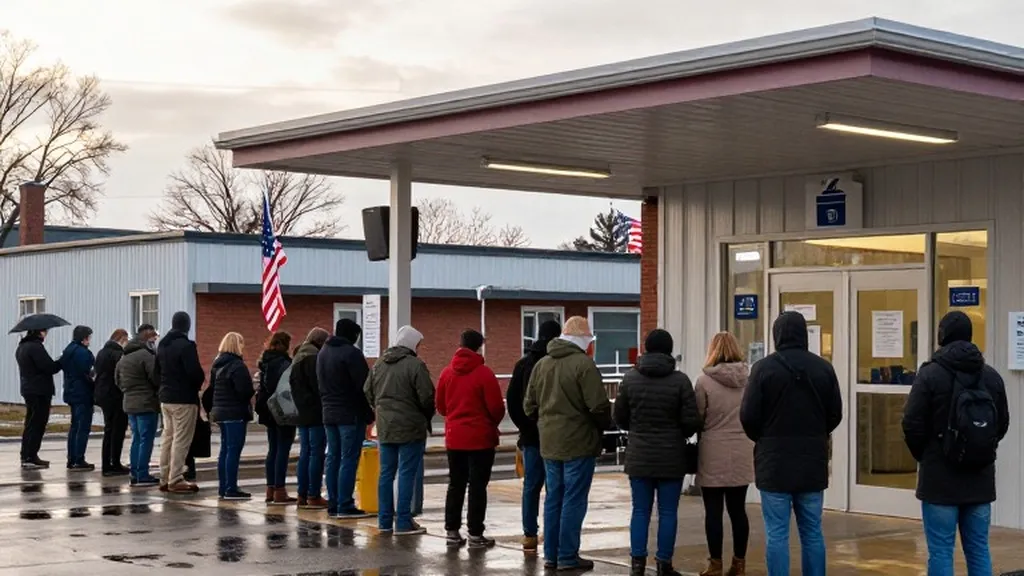
In Michigan, voters are deciding the open Senate seat left by retiring Democrat Gary Peters. The race pits Republican former Representative Mike Rogers against Democrat Abdul El-Sayed. The Associated Press notes that the race has become closely watched after El-Sayed's former primary opponent, Haley Stevens, endorsed Rogers on Sunday. Michigan voted for Trump by a slim 1.4 points in 2024, making it one of the most competitive states in the nation. Polls in the state are open from 7 a.m. to 8 p.m., with many residents waiting in line to cast their ballots early in the morning.
In Texas, Republican Attorney General Ken Paxton is running against Democrat James Talarico for the seat of retiring Senator John Cornyn. President Trump backed Paxton over Cornyn in the primary, signaling a shift in the state's Republican establishment. The Associated Press describes Texas as a key state for both parties, noting that it voted for Trump by 13.6 points in 2024. Despite the strong Republican lean, the race has drawn national attention due to the high stakes involved in maintaining the Republican majority in the Senate.
In Maine, incumbent Republican Senator Susan Collins is facing Democratic former state Senate President Troy Jackson. The Associated Press rates this race as a toss-up on all four major race ratings, making it one of the most uncertain contests in the country. The AP notes that economic strain and tariffs have made the state competitive, with voters expressing concern over the cost of living. Maine voted for Kamala Harris by 6.9 points in 2024, providing Democrats with a slight advantage in the general election. Polls in Maine are open from 6 a.m. to 8 p.m., with some small towns opening later in the day.
In New Hampshire, Democratic Representative Chris Pappas is challenging former Republican Senator John E. Sununu for the seat of retiring Democrat Jeanne Shaheen. The state voted for Harris by 2.8 points in 2024, making it a competitive environment for both parties. The Associated Press highlights that this race is part of a broader trend of Democrats targeting Republican-held seats in traditionally purple states. Polls in New Hampshire vary by town, but most are open by 11 a.m. and close no earlier than 7 p.m., allowing voters ample time to participate in the election.
In Minnesota, Democratic Lieutenant Governor Peggy Flanagan and Republican Michele Tafoya, a former sports broadcaster, are among four candidates running for the seat of retiring Democrat Tina Smith. The Associated Press notes that the race has drawn national attention due to the high number of candidates and the competitive nature of the state. Minnesota has been a key battleground in recent elections, with voters showing strong interest in the direction of the country. Polls in the state are open from 7 a.m. to 8 p.m., with many voters casting their ballots in person at polling places across the state.
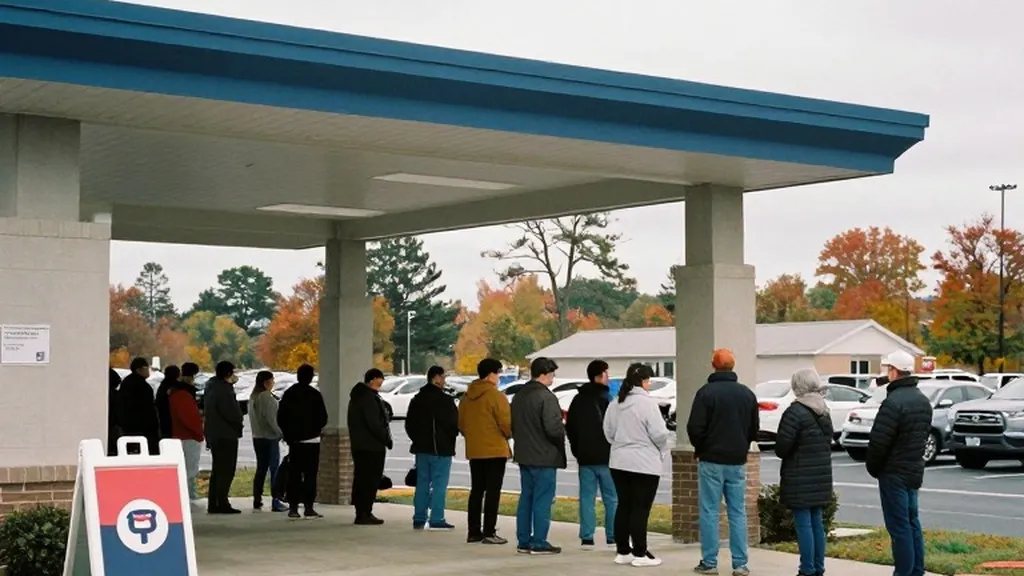
In Kansas, the Senate race has become central to the fight for control of the chamber, despite the state's reliable Republican lean. The Associated Press notes that Kansas voted for Trump by 16.2 points in 2024, but the race remains competitive due to the narrow margin of victory in the Senate. President Trump held a rally in Salina, Kansas, on Sunday, urging voters to support his party's candidates. The AP quotes Trump saying, "I really want you to pretend I'm on the ballot," highlighting the administration's focus on the state. Polls in Kansas are open from 7 a.m. to 7 p.m. Central time, with voters lining up at polling places across the state.