Ohio Senate Candidates Clash Over Data Center Incentives and War Powers
Sherrod Brown and Jon Husted diverge on tax breaks, Iran, and border enforcement as more than a million voters cast ballots early.
By Anthony Lawson ·
The final week of campaigning in Ohio is defined by a sharp disagreement between the two Senate candidates over the cost of technology, the conduct of foreign wars, and the enforcement of immigration law. More than one million Ohioans have already voted early, setting the stage for a decisive contest that will determine who fills the seat vacated by Vice President JD Vance.
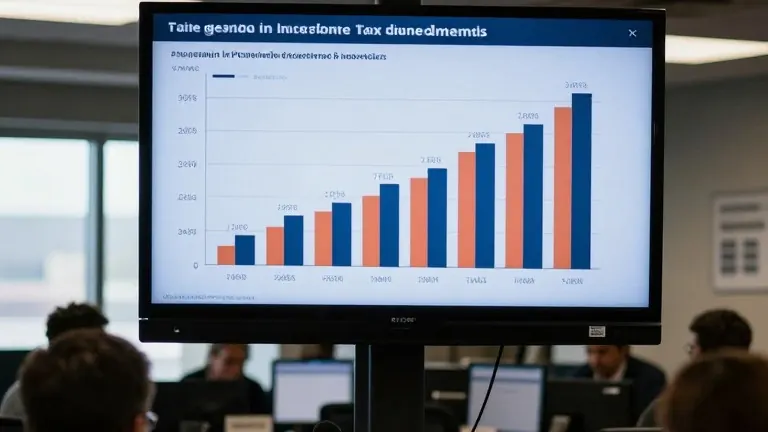
The race began with a focus on data centers, a topic that has become central to local economic policy. Democratic challenger Sherrod Brown, seeking a return to the Senate after losing re-election in 2024, aired an ad labeling incumbent Republican Jon Husted as the face of data centers in Ohio. Brown’s campaign argues that Husted authorized $2.5 billion in tax incentives for these facilities over seven years. This figure is an estimate provided by the Ohio Chamber of Commerce and includes both state and local exemptions.
Husted responded to the criticism in August during a conversation with reporters in Massillon. He argued that Brown previously celebrated the arrival of data centers during his own time in office. Husted stated that Brown acts like a chameleon, flipping his position to appear different from his past stance. The National Republican Senatorial Committee issued a memo describing data centers as the anchor around Husted’s neck, challenging the narrative presented by the Democratic campaign.
Legislative efforts to manage the sector have also been a point of contention. Husted sponsored a bill designed to require state utility regulators to force data centers to cover their own utility costs. Democrats in the Senate blocked the measure, describing it as toothless. While Congress holds authority over energy policy and federal tax incentives, strict rules or bans on data centers remain a matter for state and local governments to decide.
The candidates also disagree on the ongoing conflict in Iran. In September, Husted told reporters in Columbus that he wanted the war to end but insisted on ensuring Iran does not control the Strait of Hormuz or possess a nuclear weapon. He explained that this rationale led him to vote against a Democrat-backed war powers resolution intended to force an end to hostilities. Brown countered that Husted voted 14 times against that resolution and other procedural efforts to bring it to the Senate floor.
Speaking in Chillicothe this month, Brown stated that Democrats must end the war as a priority. He noted that public sentiment for an end to the conflict is growing and expressed hope that some Republican colleagues would show more backbone. He affirmed that his team would continue to try to end the war, regardless of opposition on the floor.
Immigration policy offers another area of divergence. Husted pointed to Brown’s three terms in the Senate, including the period when President Joe Biden was in office. At the Republican Midterm Convention in Dallas in September, Husted claimed that Democrats under Biden, Harris, and Brown created open borders and sanctuary cities. He stated that they voted to give tax dollars to illegal immigrants, a claim based on Brown’s support for the American Rescue Plan, which offered $1,400 checks to qualified individuals but did not include undocumented immigrants.
Brown has broken with fellow Democrats on certain immigration issues by supporting stricter border policies. In August, he said he did not support calls to abolish Immigration and Customs Enforcement. He advocated for deporting individuals who committed violent crimes and adopting an immigration policy that works for businesses and communities. However, he was more firm on the issue of Temporary Protected Status, or TPS. In September, speaking to reporters in Dayton, Brown said that people contributing to the country should not be deported. He argued that deportation should be reserved for dangerous criminals, a view he described as simple.
Husted supported the Trump administration’s decision to end TPS for Haitians in July. He noted that Springfield, where many of these workers were employed, has new jobs emerging. Husted stated that approximately 30% of Haitians believe they have another pathway to stay and work in the United States. He said he has asked for a law that follows the rule of law and handles the process in a civil manner. The winner of this race will serve out the remainder of the term for the seat vacated by Vance, meaning the new senator would need to run again in 2028 to keep the position.