
Midterm Shift Promises War Oversight, But Fuel Prices May Stay High for Months
Democrats control Congress in January, yet experts say gasoline and diesel costs will not return to prewar levels for at least three months.
By Anthony Lawson ·
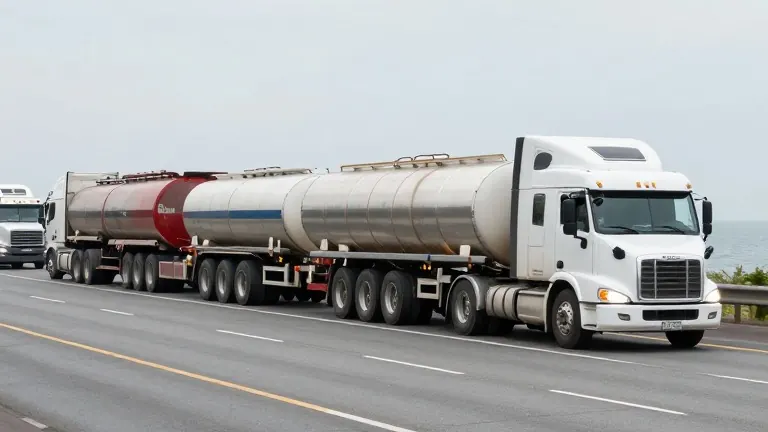
A wave of Democratic voters punished the incumbent party over soaring fuel costs, yet analysts warn that pump prices will not drop immediately. The conflict in Iran has kept global energy markets volatile, and the new congressional leadership faces a slow path to influencing oil supply.
The war in Iran began in late February, when Brent crude traded near $70 a barrel. As the conflict restricted traffic through the Strait of Hormuz, prices spiked to approximately $110. Brent crude now trades near $95. The cost of a gallon of gasoline averages $4.12, roughly $1 higher than a year ago. Diesel reached a record high of $6.52 in September and remains about $2.50 above last year's levels, according to AAA.
Federal legislators will not take office until January. Until then, President Trump retains full authority over military strategy and executive orders. His previous attempts to lower costs, such as loosening rules on dyed diesel and lifting sanctions on Russian fuel, failed to lower prices significantly. Senate Minority Leader Chuck Schumer said Democrats intend to use their new majority to pressure the executive branch. "Relief is on the way," Schumer told reporters on Wednesday.
Claudio Galimberti, chief economist at Rystad Energy, noted that a unified Democratic Congress can make war escalation costlier by controlling spending and confirmations. However, Jorge León, head of geopolitical analysis at Rystad Energy, reminded that the president still controls military strikes and sanctions. Trump has sent conflicting signals. He warned Gulf states of a new campaign after the midterms, while Vice President JD Vance cited the war as the reason for the Democratic victory.
If a deal ends the war, traders expect crude prices to fall by $15 to $20 per barrel within two to three days, according to Jaime Brito of Dow Jones Energy. However, gasoline and diesel prices will lag. Ships must return to their original routes through the strait, and refineries must process the renewed flow of crude. Brito estimates it will take three months for fuel prices to reach prewar levels. León predicts a longer timeline of six to eight months for crude, plus another month or two for retail fuel.
External factors could delay recovery. Ukraine's continued attacks on Russian refineries may keep diesel prices elevated, as Russia supplies a large share of global diesel. Additionally, U.S. refineries are running above 90% capacity, leaving little room for emergency maintenance. Freight and insurance costs remain high because ships must take longer routes around the blocked strait. These added costs keep Brent crude prices elevated even if the war ends soon.
Brito warned that expensive gasoline could become the new normal if hostilities persist. He stated that a definitive end to the conflict is necessary for normal prices to return. The new Congress will begin its work in January, but the physical logistics of global oil trade will dictate the speed of price relief.
More Business · Consumer Watch · Report a business · Got a Story?