Oval Office Monument: Trump signs decree after midterm defeats
The proclamation requires congressional approval for major structural changes, a move that follows Republican losses in November elections.
By Carlos Rousseau ·
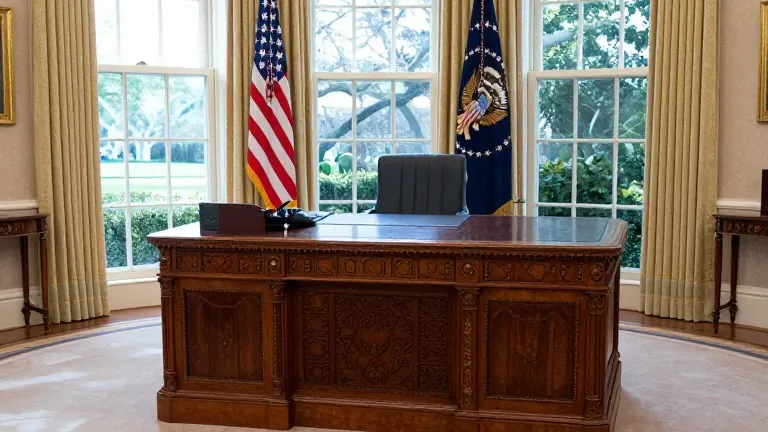
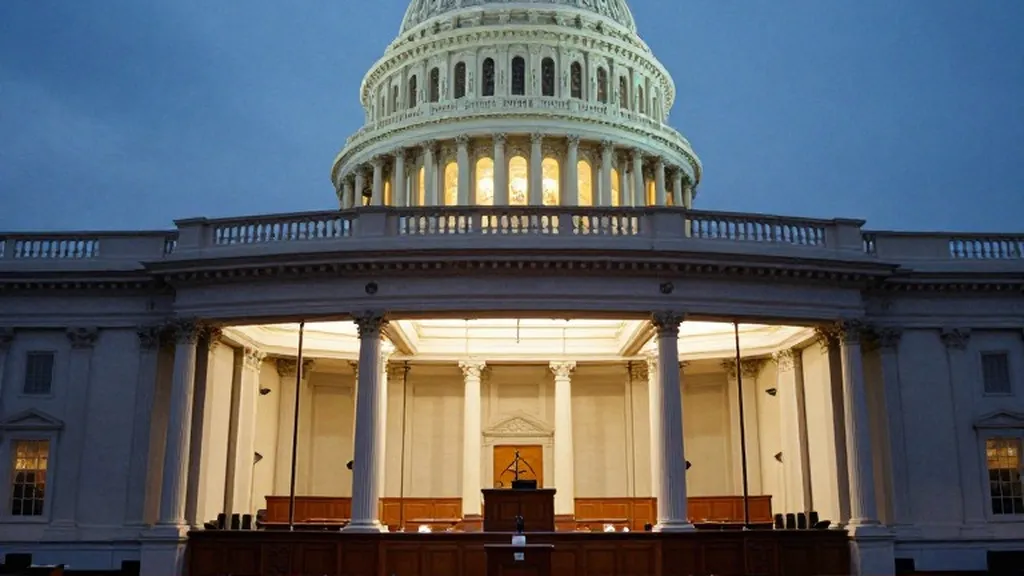
President Donald Trump signed a proclamation on Thursday designating the Oval Office and the Cabinet Room as a national monument. The action aims to restrict future presidents from making major alterations to those specific spaces. The decree requires that any substantial modifications receive approval from Congress. Trump told reporters in the Oval Office that the rooms would not be "taken down, destroyed, touched or anything else."
This legal move follows a period of intense public activity. In the two days since Republicans lost control of Congress in the midterm elections, the president addressed the media twice. Both instances centered on physical renovations to the executive mansion. The previous day, he spoke to reporters at the construction site of the new White House ballroom. That project involves demolishing the historic East Wing, a change that has drawn criticism from preservation groups.
Trump emphasized the symbolic importance of the building during the ballroom visit. He stated that the White House is the "ultimate symbol of America" and must remain "pristine" and "perfect." He argued it was appropriate for the media to witness the progress. The new ballroom project contrasts with the Oval Office, which typically undergoes cosmetic updates with each new administration.
The proclamation clarifies the limits of this new status. Future presidents may still redecorate the space and select furnishings. They can also make ordinary operational and security modifications. However, these changes cannot substantially impair the historic structure or architectural character of the monument. The White House has held National Historic Landmark status since 1960, but this decree adds specific protection for the Oval Office and Cabinet Room.
Trump cited the Oval Office as a site of personal achievement while discussing the proclamation. He referenced "victories" achieved in the room, though he acknowledged there had been "some mistakes, too." He did not elaborate on those errors. He expressed hope that members of Congress would be "smart enough not to let" major modifications happen.
When asked about legislative priorities for the remaining two months of Republican control in Congress, Trump shifted the focus to his own record. He described the past two years as "tremendous," citing his work on the border and the stock market. He suggested no previous president had accomplished more. This narrative aligns with his final campaign speech on Monday, which also highlighted renovation efforts.
That Monday speech took place at the Lincoln Memorial Reflecting Pool. The pool had been closed since July due to what Trump called "botched" renovations. He requested upgrades to the area. The president spent most of that address promoting the pool's reopening and other construction projects in Washington. The sequence of events ties his political messaging directly to physical changes in the capital.