Gut Microbes: Ohio State Maps Bacterial Shifts After Spinal Cord Injury
Researchers analyzed 6,635 microbial genomes to identify 19 species linked to muscle wasting and inflammation in injured mice.
By Carlos Rousseau ·
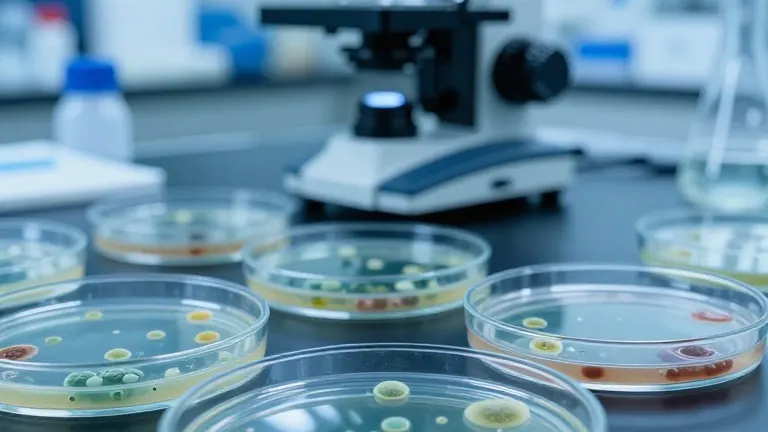
Ohio State University researchers have completed a detailed genetic map of the gut microbiome in mice with spinal cord injuries. The team analyzed 333 fecal samples to create a catalog of 6,635 draft microbial genomes. This dataset serves as a reference for how bacterial communities change when the central nervous system is damaged.
The study, published in NPJ Biofilms and Microbiomes and Communications Biology, identified specific microbial links to physical symptoms. One analysis found that 19 microbial species in the mouse gut had the strongest association with the body’s loss of nitrogen. In humans, this nitrogen imbalance is associated with muscle wasting. The finding provides a targeted list of bacteria to investigate for potential therapeutic interventions.
Phillip Popovich, professor and chair of neuroscience in Ohio State’s College of Medicine, said the work challenges the traditional view of spinal cord injury. “We tend to think of spinal cord injury as a problem that begins and ends in the spinal cord, but our work suggests that we need to think much more broadly,” Popovich said. He noted that the spinal cord serves as a communication pathway between the brain and the gut, where trillions of microbes interact with the body’s immune cells.
The research team combined expertise from neuroscience and microbiology. Kristina Kigerl, a research scientist in Popovich’s lab, co-authored both papers. Kigerl’s previous work in 2016 showed that spinal cord injury disrupts the gut microbiome and that probiotics could offer protection. This new effort expanded that finding by using metagenomics to assemble draft genomes for 80% of the gut microbiome in a common mouse strain.
Ahmed Zayed, a research scientist in microbiology, emphasized the complexity of the ecosystem. “It’s not just a single bug making everything for the host. It’s this intricate interplay between microbes and each other, and microbes and the host. That’s the message of these two papers,” Zayed said. The team used machine learning to analyze how viruses and bacteria interact within the gut environment.
In one experiment, researchers re-fed a specific bacteria, Lactobacillus johnsonii, to injured mice. This species was consistently depleted after injury. Refeeding it alone lowered inflammation and stabilized weight loss. However, the researchers noted that a combination therapy may be necessary to keep the bacteria properly fed once reintroduced. The study also found that changes in gut bacteria composition varied by the level of injury, the sex of the animal, and the time elapsed since the injury.
The nitrogen imbalance findings were evident only in injured male mice. The gut changes involved the depletion of bacteria that convert specific compounds into usable nitrogen, which disrupts chemical signaling related to muscle function. Kigerl said narrowing the focus to 19 species makes the path forward clearer for developing treatments. The data set also includes viruses present in the gut ecosystem, which are the subject of ongoing studies.
Popovich added that while the current studies model traumatic injury, the implications extend to other neurological conditions. Diseases such as stroke, Alzheimer’s, and ALS can disrupt neural pathways between the brain and internal organs. “Understanding how those changes affect the gut may therefore reveal mechanisms relevant to a much broader range of neurological conditions,” Popovich said. The gut is considered easier to access and modify than the brain or spinal cord, offering a practical route for new treatments.