What House control means for Trump's final two years and 2028
Midterm results will determine whether Democrats launch investigations or Republicans protect the president's agenda in the closing stretch of the term.
By Rafael Bailey ·
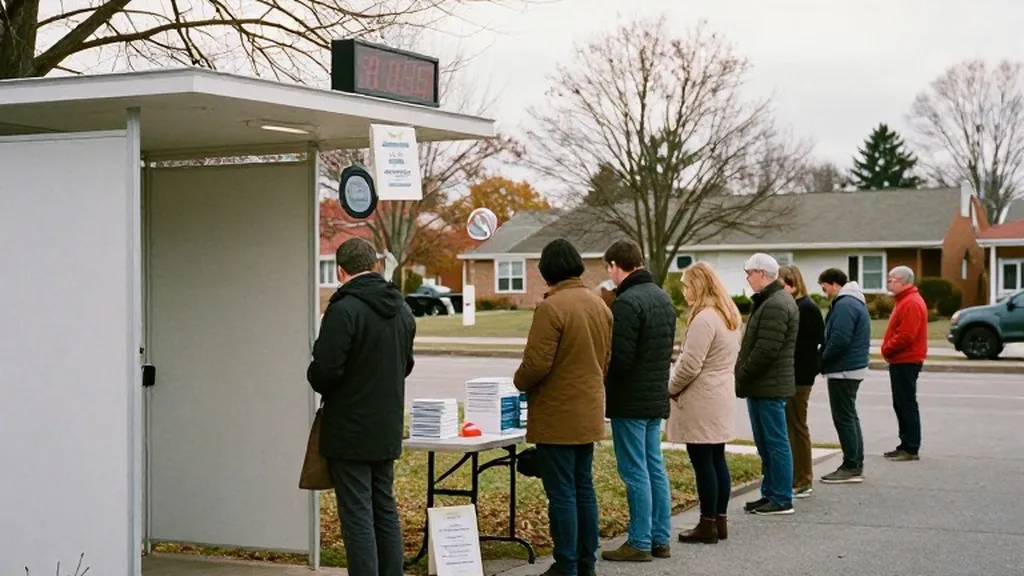
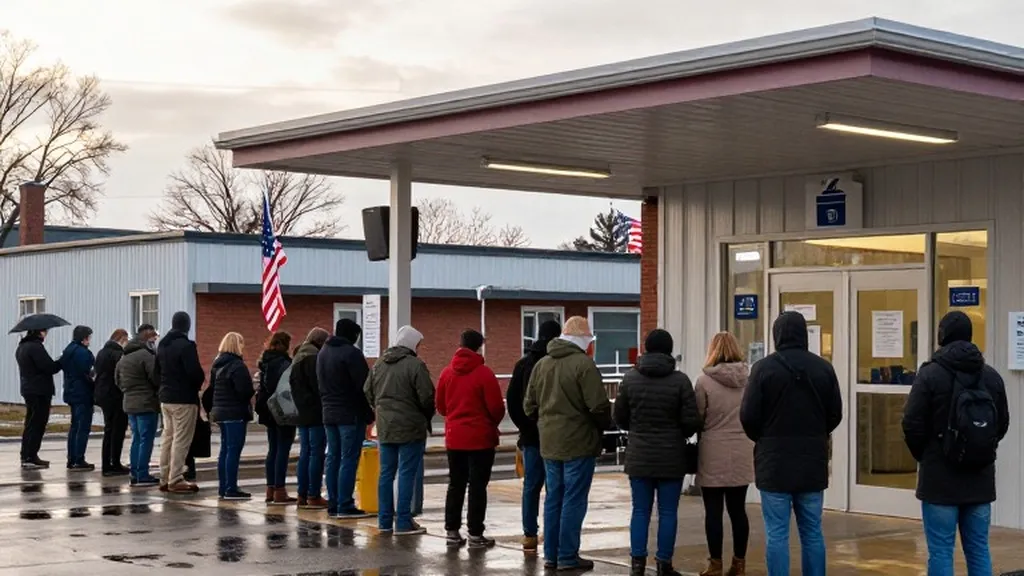
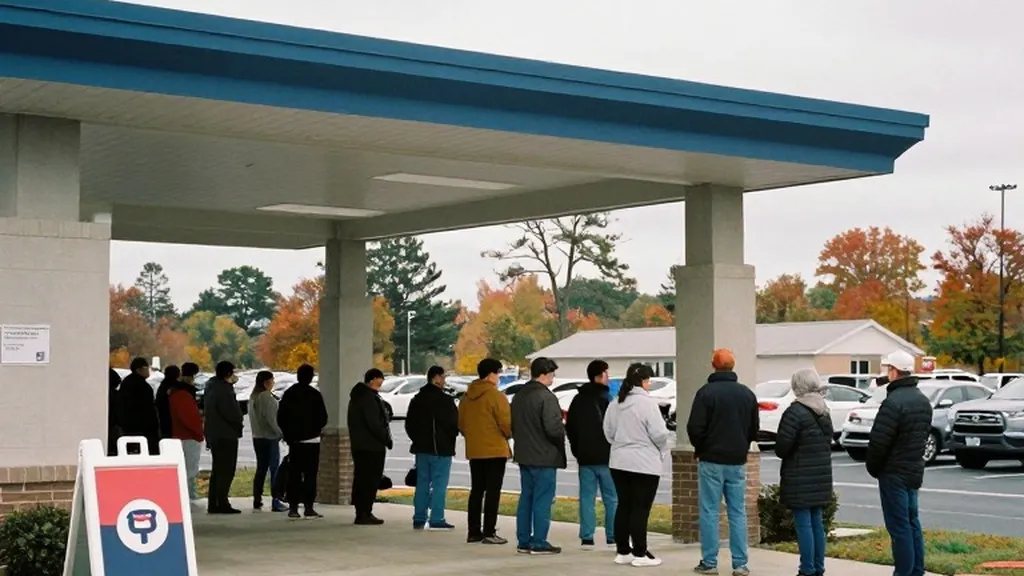
Voters across the Great Lakes and Ohio Valley are casting ballots on Tuesday to decide which party controls the U.S. House and Senate for the final two years of President Donald Trump’s second term. The Associated Press describes the election as a referendum on the president’s performance, with many citizens expressing frustration over high prices and an unpopular war with Iran. In Ohio, polls are open from 6:30 a.m. To 7:30 p.m. As voters head to the polls in a state without a Senate race but with an open governor’s seat. In Michigan, where polls open at 7 a.m. And close at 8 p.m., residents are deciding both a Senate seat and a governor’s seat, marking a pivotal moment for the region.
The current balance of power in the House sees Republicans holding 218 seats and Democrats holding 214. Democrats need a net gain of three districts to secure a majority, while Republicans can afford to lose no more than two seats to maintain their lead. Ballotpedia identifies 46 battleground districts, with 25 currently held by Democrats and 21 by Republicans. In the Senate, 35 seats are up for election, with Republicans holding 53 and Democrats holding 45, plus two independents who caucus with the minority party. Democrats require a net gain of four seats to take control of the upper chamber, a threshold that puts pressure on races in states like Michigan and North Carolina.
If Democrats capture the House, House Democratic Leader Hakeem Jeffries would become the first Black speaker of the House. He has outlined a 100-day agenda focused on the cost of living and oversight of the executive branch. This shift would likely trigger new investigations and potential impeachment proceedings, as Democrats would hold the power to launch formal inquiries into the administration’s actions. For the administration, holding the Senate is critical to confirming nominees and blocking legislative changes. A strong Democratic performance could also boost the 2028 prospects of figures like Gavin Newsom, JB Pritzker, and Pete Buttigieg, while potentially complicating the path for Vice President JD Vance.
Republican strategy has relied heavily on turnout and the influence of President Trump, who held dozens of rallies leading up to election day. RNC Chairman Joe Gruters stated that everything depends on turnout, asserting that if the party mobilizes its voters, they will win. The president’s recent rally in Salina, Kansas, featured him asking supporters to pretend he is on the ballot, highlighting the personal nature of the campaign. Many Republican candidates have kept a respectful distance from the president to appeal to moderate voters, yet the administration’s legal challenges, including lawsuits in Alaska and California, have raised concerns among Democrats about potential interference in the certification process.
In the Great Lakes region, the stakes are particularly high for Senate control. In Michigan, the race between Republican former Rep. Mike Rogers and Democrat Abdul El-Sayed is a key battleground, with Rogers receiving an endorsement from El-Sayed’s former primary opponent Haley Stevens. The AP notes that economic strain and tariffs have made the state competitive, a trend reflected in the 2024 presidential margin of Trump plus 1.4 percent. In Ohio, the special Senate election features Democratic former Sen. Sherrod Brown against Republican Sen. Jon Husted. Ohio’s new congressional map adds a layer of complexity, as the state uses updated district lines for this election cycle.
Voters in Kentucky, where polls are open from 6 a.m. To 6 p.m., are deciding an open Senate seat as Joni Ernst retires. The state is a critical part of the Republican defensive strategy in the Senate, with Kansas having become central to the fight for Senate control despite its traditionally reliable Republican voting patterns. In West Virginia, polls are open from 6:30 a.m. To 7:30 p.m., and voters are weighing the choice in the Senate race involving incumbent Shelley Moore Capito. These races are part of a broader contest where one or two seats could tip the balance of power in either chamber.
35 percent of U.S. Adults approve of Trump’s job performance, while 25 percent approve of his handling of the economy. About seven in 10 Americans say the country is heading in the wrong direction, with most blaming the president for high prices. This sentiment is driving voter behavior in districts that voted for Trump in 2024 but are now considering a change in the House. The AP-NORC poll suggests that economic anxiety is the primary motivator for many voters, a theme echoed by citizens in states like Ohio and Michigan where the cost of living remains a dominant concern.
Financially, the 2026 elections are likely to be the most expensive in history, with Republican committees outspending their Democratic counterparts at the committee level. This spending was bolstered by Trump-affiliated groups and Elon Musk, although Democrats outraised their opponents at the candidate level. An analysis of AdImpact data found that 88.1 percent of Republican general election TV ad spending went to states and districts Trump won in 2024. This targeted spending reflects a strategy to protect the president’s base while fighting to hold the Senate, even as Democrats focus on flipping the House to gain oversight powers.
As polls open across the region, the U.S. Postal Service has added hours and staff to ensure mail ballots are counted on time, a logistical move aimed at preventing delays in reporting results. A federal judge temporarily barred the Trump administration from carrying out a plan to prevent noncitizen voting, a decision that critics say risks disenfranchising eligible voters. In California, a judge ordered the administration to stop demanding that election officials segregate ballots cast by people on lists of suspected noncitizens. These legal moves underscore the tensions surrounding election administration as the country prepares to determine the next phase of its political leadership.