57 Million Early Votes Force Both Parties to Rely on Final Day Ground Game
With a record-breaking early vote, Republican and Democratic leaders are betting that final day turnout will decide the fate of Congress in the Great Lakes region.
By Anthony Lawson ·
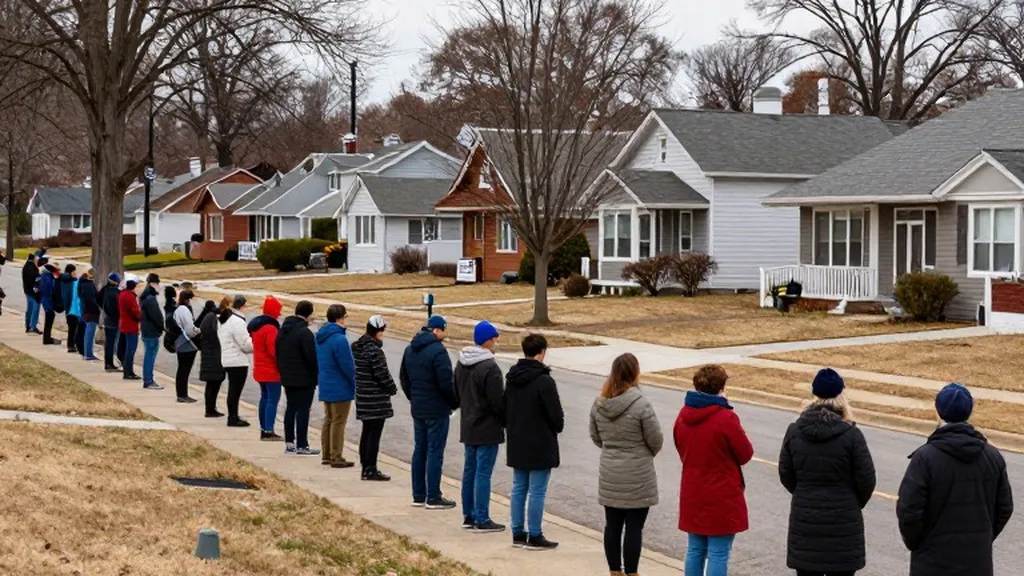
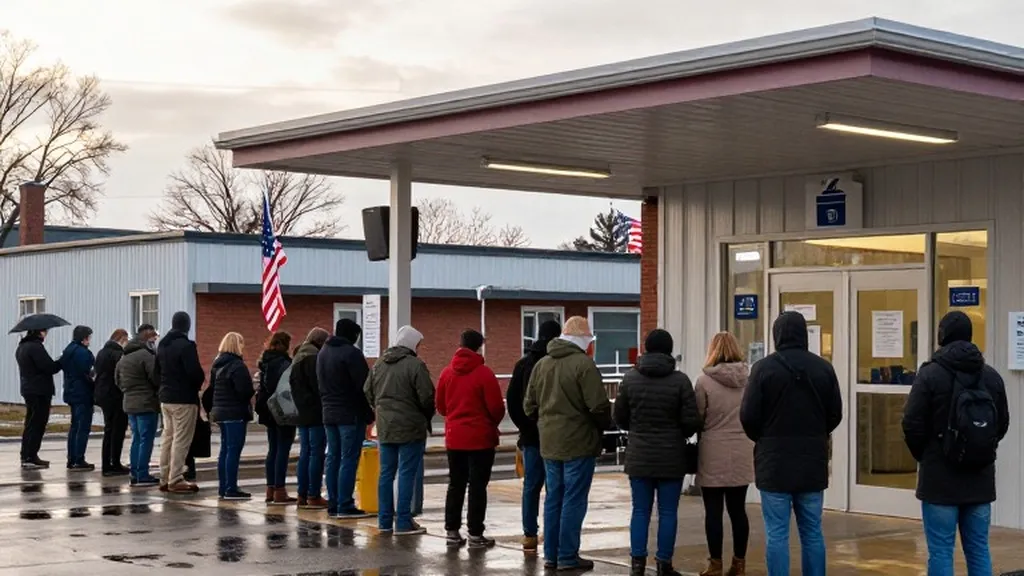
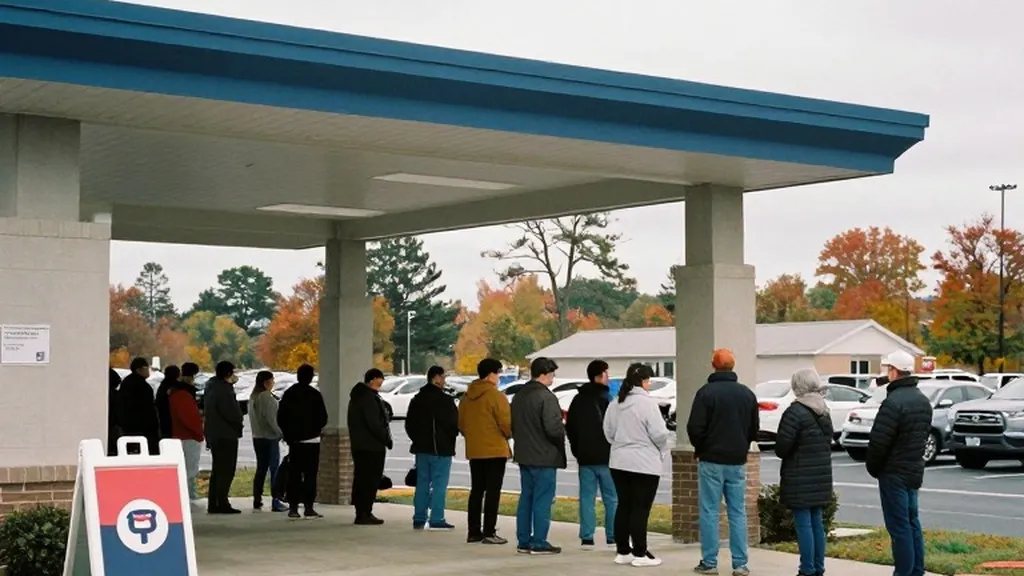
The American electorate has already spoken in massive numbers, with more than 57 million people casting ballots before the polls officially opened on Tuesday. This surge in early voting has surpassed the total from the 2022 cycle in many closely watched states, forcing both major parties to adjust their strategies for the final day. The Associated Press reports that this high volume of early votes is reshaping the traditional dynamics of Election Day, shifting the focus from getting voters to the polls to mobilizing specific demographics in key districts.
Republican National Committee Chairman Joe Gruters emphasized that the final outcome hinges entirely on participation rates. He stated that everything depends on turnout, noting that if the party can turn out its voters, they win, which is what they have been planning for. This sentiment reflects a broader Republican strategy that views the ground game as the primary mechanism for holding the Senate and limiting losses in the House, where they can afford to lose no more than two seats to maintain a majority.
Conversely, Democratic Congressional Campaign Committee Chair Rep. Suzan DelBene framed the day as a response to national frustration. She said the American people are angry and want change, pointing to a voter base that is motivated by economic concerns and a desire for a shift in congressional control. Democrats need a net gain of three districts in the House and four seats in the Senate to take back both chambers, a task that requires a significant turnout push in swing states and safe seats alike.
In the Great Lakes region, the stakes are particularly high for the governorships of Ohio and Michigan, both of which are open seats. In Ohio, polls are open from 6:30 a.m. to 7:30 p.m., and voters are deciding between Republican Vivek Ramaswamy and Democrat Amy Acton. The Associated Press notes that Ramaswamy's campaign has faced recent attention regarding advertising choices, adding a layer of complexity to a race that many expect to be closely contested. The state also features a special Senate election where Democrat Sherrod Brown faces Republican Jon Husted.
Michigan presents a similar scenario with polls open from 7 a.m. to 8 p.m., and an open seat for governor. The race there is being watched closely as a bellwether for Democratic strength in the Midwest. Meanwhile, Kentucky holds a Senate race for an open seat, with polls open from 6 a.m. to 6 p.m. West Virginia is another key state in the Ohio Valley, where polls are open from 6:30 a.m. to 7:30 p.m. and incumbent Senator Shelley Moore Capito is seeking re-election.
The Associated Press describes the overall atmosphere as one of cautious optimism among Democrats, who are bracing for the possibility of losing the House while fighting to hold the Senate. Republicans, for their part, are preparing for the likelihood of losing the House but are focused on protecting their Senate majority. This divergence in strategy has led to a intense final day effort in battleground districts, where local campaigns are deploying resources to knock on doors and make phone calls to undecided voters.
Economic anxiety remains a dominant theme in voter conversations, with the Associated Press noting that most voters blame President Trump for high prices. In a poll conducted by the Associated Press and NORC, 35 percent of U.S. adults approved of Trump's job performance, while 25 percent approved of his handling of the economy. These figures suggest that while a portion of the base remains loyal, a significant segment of the electorate is motivated by financial concerns that could influence their final day decisions.
The ground game has become a critical component of the campaign, with both parties investing heavily in local outreach. The Associated Press reported that Republican committees have outspent their Democratic counterparts at the committee level, aided by significant donations from Trump-affiliated groups and Elon Musk. However, at the candidate level, Democrats have managed to outraise their opponents in many races, allowing them to maintain a strong presence in key districts and states.
Voters in the region are also navigating a complex landscape of new congressional maps, which have altered the boundaries of many districts in states like Ohio. These changes have created new competitive races that did not exist in previous cycles, adding an element of uncertainty to the final day turnout. The Associated Press notes that while redistricting was intended to help Republicans, the new districts may not vote as drawn, requiring a more nuanced approach to voter mobilization.
As the day progresses, the focus will remain on the ability of both parties to deliver their base to the polls. The Associated Press highlights that the election is being viewed as a referendum on the president's second term, with voters weighing their satisfaction with the current administration against their desire for change. The final day turnout will likely determine whether the midterms follow the historical pattern of the president's party losing seats or if the high early vote provides a buffer for the incumbents.
The day concludes with polls closing at various times across the region, from 6 p.m. in Kentucky to 8 p.m. in Michigan. The U.S. Postal Service has added extra hours and staff to ensure that mail ballots are counted on time, a critical step given the volume of early mail-in votes. As the results begin to trickle in, the focus will shift to the specific races in the Great Lakes and Ohio Valley, where the margin of victory could be decided by a small number of votes.